

This story was first published by Team TDB in September 2021 and updated on 19 November 2026.
Ask anyone in India where they would go on their first trip abroad, and the answer usually comes with a worry attached. Can we really afford it? I will be honest, international travel does not have to cost the earth. The trick is choosing a country where the flight is short, the visa is simple or free, and your rupee goes a long way once you arrive. This guide brings together ten such countries, with the entry rules for Indian passport holders checked against official government and embassy sources in November 2026.
Before you book
Visa rules, fees and entry forms change often, sometimes with only a few weeks’ notice. The details below were correct when we checked them, but please confirm them on the official website or with the embassy of the country you are visiting before you book flights or hotels. Airlines can refuse boarding if your documents are not in order.
Please also check the current conditions in the country before you travel, including any travel advisory from India’s Ministry of External Affairs or the Indian Embassy there, the local safety situation, weather and natural events, and any local restrictions. Prices also move with the season, so treat any cost here as a guide and compare fares well in advance.
The cheapest countries to visit from India at a glance
| Country | Entry for Indian passport holders | Check before you go |
|---|---|---|
| Nepal | No visa. Take a valid passport or an original Voter ID | Embassy of India, Kathmandu |
| Bhutan | No visa. Passport or original Voter ID, an entry permit and a fee of ₹1,200 a night | Embassy of India, Thimphu |
| Sri Lanka | Free tourist visa for 30 days through the online ETA | eta.gov.lk |
| Vietnam | e-visa, valid for up to 90 days | Vietnam e-visa portal |
| Thailand | Visa-free for 30 days for tourism, plus the online TDAC arrival card | Royal Thai Embassy, New Delhi |
| Maldives | Free tourist visa on arrival, plus the online IMUGA declaration | Maldives Immigration (IMUGA) |
| United Arab Emirates | Visa needed before travel. Visa on arrival only for some holders of US, EU or other approved visas | UAE ICP |
| Oman | e-visa needed before travel, with some exceptions for holders of approved visas | Royal Oman Police e-visa |
| Singapore | Visa needed, through an authorised visa agent, plus the SG Arrival Card | High Commission of Singapore, New Delhi |
| Malaysia | Visa-free for 30 days until 31 December 2026, plus the online MDAC arrival card | Immigration Department of Malaysia |
1. Nepal
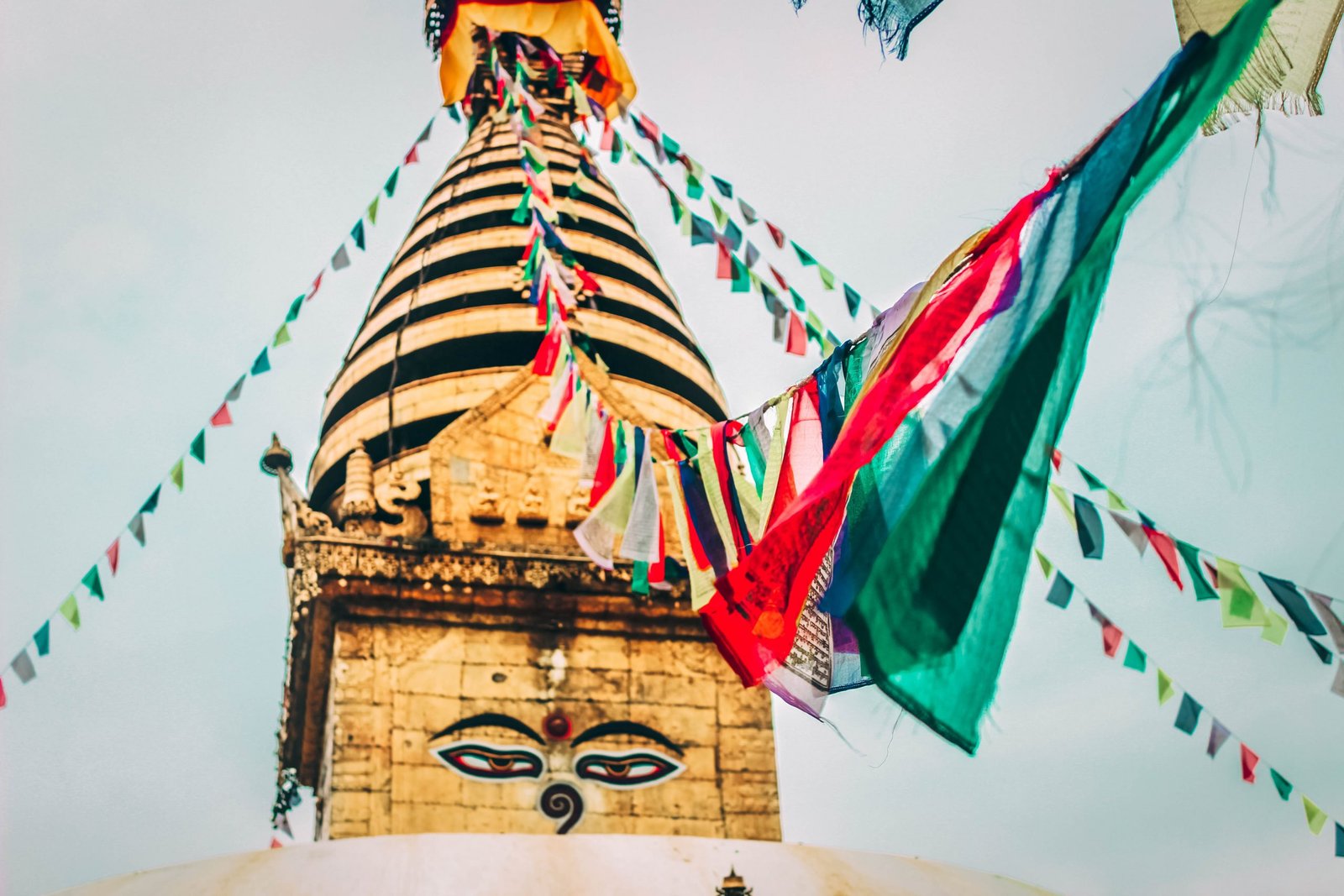
Nepal is the easiest trip abroad an Indian can make. It is a short flight from Delhi, Varanasi or Bengaluru, or a long road journey from the border, and the Indian rupee is widely accepted. Kathmandu gives you Pashupatinath Temple and the great white dome of Boudhanath Stupa in the same day, while Pokhara slows everything down with lakeside cafés and views of the Annapurna range.
Entry for Indians: You do not need a visa. You do need a valid Indian passport or an original Voter ID card issued by the Election Commission of India. According to the Embassy of India in Kathmandu, a downloaded or printed copy of the Voter ID is not accepted, and neither are Aadhaar, PAN cards or driving licences.
Budget tip: Guesthouses and homestays in Thamel and Lakeside Pokhara are far cheaper than international hotels, and local buses between Kathmandu and Pokhara cost a fraction of a domestic flight.
Do not miss: Pashupatinath, Boudhanath Stupa, Durbar Square, Lumbini, Phewa Lake in Pokhara and Chitwan National Park.
2. Bhutan
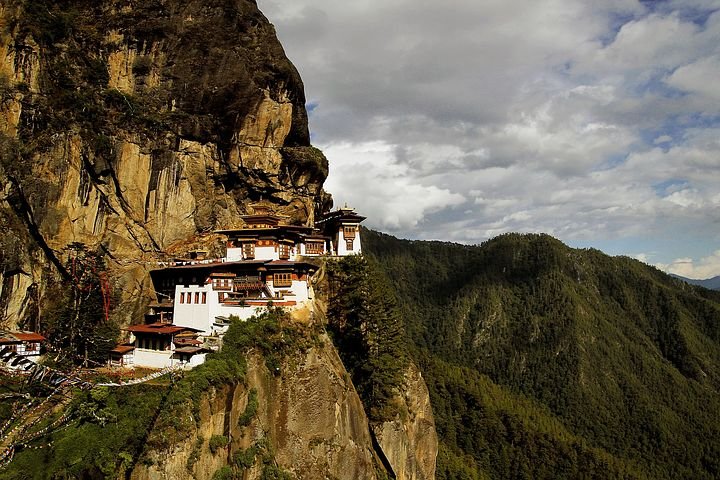
Bhutan measures its progress in happiness, and spend a few days among its valleys, prayer flags and fortress monasteries and you begin to see why. For Indian travellers it is still one of the most affordable ways to see the Himalaya abroad, although it is no longer the free trip it once was.
Entry for Indians: No visa is needed. The Embassy of India in Thimphu lists two valid documents: an Indian passport valid for at least six months, or an original Voter ID card. Children under 18 without a passport need their original birth certificate. You also need an entry permit, issued at Paro International Airport or at the road border offices, including Phuentsholing. Indian visitors pay a Sustainable Development Fee of ₹1,200 per person per night.
Budget tip: Entering by road through Phuentsholing, after a flight to Bagdogra, is usually cheaper than flying into Paro. Factor the nightly fee into your budget before you plan a long stay.
Do not miss: Paro and the Tiger’s Nest Monastery, Thimphu, Dochula Pass, Punakha Dzong and the Haa Valley.
3. Sri Lanka
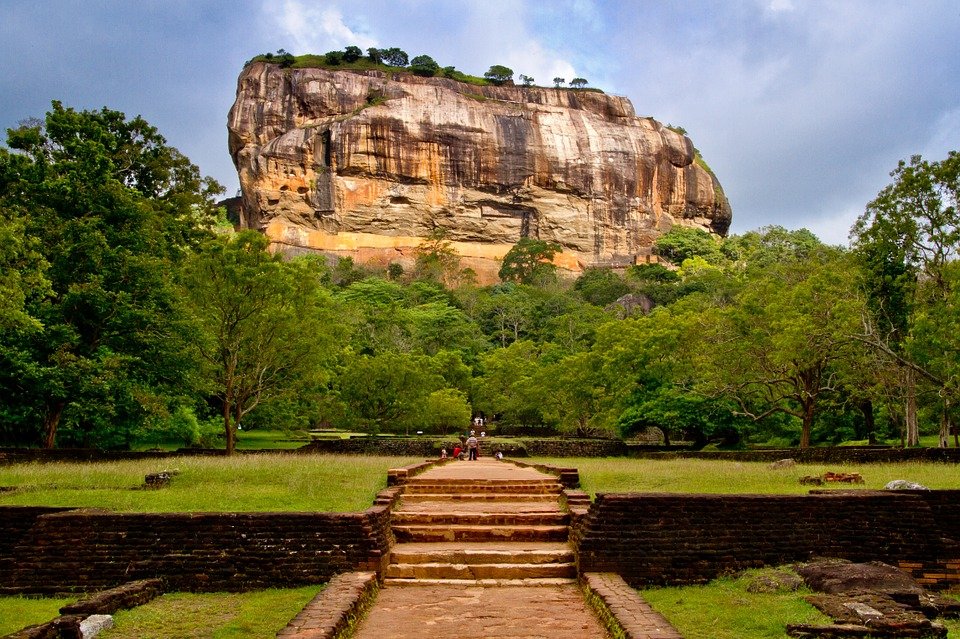
Our neighbour in the south packs beaches, tea country, ancient cities and wildlife into one small island, and much of it can be reached by train or bus. For many Indian travellers, the Ramayana trail and the Buddhist heritage sites add another reason to go.
Entry for Indians: Indian passport holders currently get a free 30-day tourist visa. You still need to apply for the Electronic Travel Authorisation (ETA) on the official site, eta.gov.lk, before you fly. Sri Lanka has changed these rules several times in the last two years, so check the site before you book.
Budget tip: The train from Kandy to Ella is one of the most scenic rides in Asia and costs very little. Guesthouses along the south coast are much cheaper than beach resorts.
Do not miss: Colombo, Kandy and the Temple of the Tooth, Sigiriya, Ella, Galle Fort and Yala National Park.
4. Vietnam
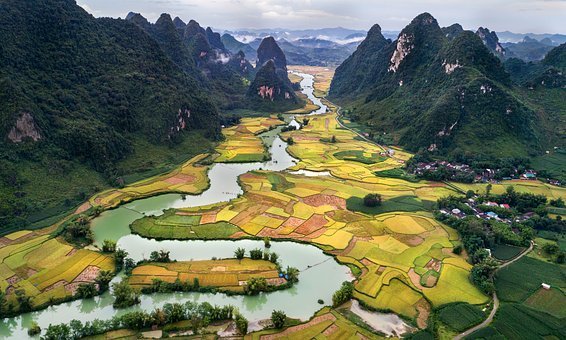
Vietnam is one of the best-value countries in Asia. Street food is excellent and cheap, the cities are full of history, and the landscape changes from the rice terraces of the north to the beaches of the centre and the waterways of the Mekong Delta.
Entry for Indians: You need an e-visa, which Vietnam now issues for up to 90 days. According to the Government of Vietnam, a single-entry e-visa costs USD 25 and a multiple-entry e-visa USD 50, and the fee is not refunded if the visa is refused. Apply only on the official portal, as many lookalike sites charge extra.
Budget tip: Overnight trains and sleeper buses between cities save you a night’s hotel bill. Compare fares into both Hanoi and Ho Chi Minh City before you book.
Do not miss: Hanoi’s Old Quarter, Ha Long Bay, Hoi An, Sapa, Ho Chi Minh City and the Mekong Delta.
5. Thailand
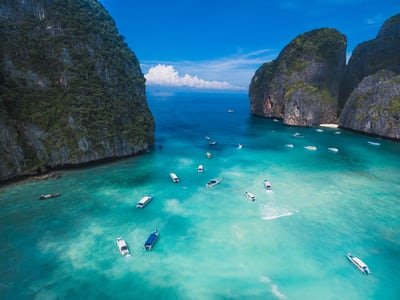
Thailand is the first international holiday for a great many Indian families, and with good reason. Flights are short and frequent, the food is wonderful, and you can choose between temples and night markets in Bangkok, the old city of Chiang Mai, or the islands of the south.
Entry for Indians: This changed recently. From 15 September 2026, Indian passport holders can enter Thailand visa-free for tourism for 30 days, as announced by the Royal Thai Embassy in New Delhi. The earlier 60-day stay no longer applies. Every visitor must also fill in the Thailand Digital Arrival Card (TDAC) online before arrival.
Budget tip: Travelling just outside the December to January peak brings hotel prices down noticeably. Night markets are the cheapest and often the tastiest way to eat.
Do not miss: The Grand Palace and Wat Arun in Bangkok, Chiang Mai, Ayutthaya, Krabi and the islands of the Andaman Sea.
6. Maldives

The Maldives is famous for its overwater villas, and those can be very expensive. What fewer people know is that the islands where Maldivians live have small guesthouses, public beaches and ferries, which bring the turquoise water within reach of a much smaller budget.
Entry for Indians: Tourists receive a free visa on arrival. You will need a passport, a confirmed hotel booking, a return or onward ticket and enough funds for your stay. Every traveller, including children, must also submit the IMUGA Traveller Declaration online within 96 hours of the flight.
Budget tip: Stay on a local island such as Maafushi or Thoddoo and take the public ferry from Malé instead of a seaplane. Resorts often sell day passes if you want a taste of the luxury side.
Do not miss: Malé, Maafushi, Thoddoo, Fulhadhoo and a snorkelling trip to a nearby reef.
7. United Arab Emirates
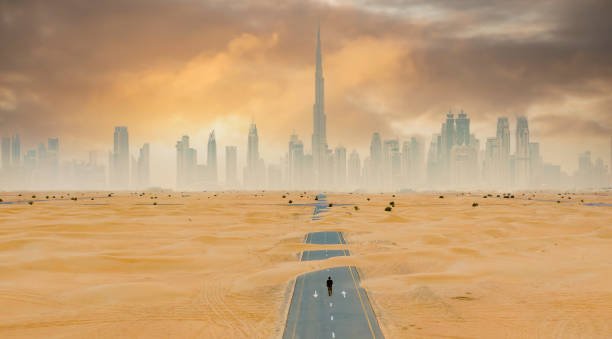
The UAE is close, connected to almost every Indian city and easy to get around. It can be as expensive as you like, but it can also be done sensibly, with the metro in Dubai, plenty of affordable Indian and Middle Eastern food, and free sights such as the Dubai Fountain and the Sheikh Zayed Grand Mosque in Abu Dhabi.
Entry for Indians: Most Indian passport holders need a tourist visa before they travel, usually arranged online, through an airline or through a licensed agent. A 14-day visa on arrival is available only to Indians who hold certain valid documents, such as a US visa or green card or an EU visa or residence permit. In July 2026 the UAE announced changes to this list, so check the current rules with the UAE’s Federal Authority for Identity, Citizenship, Customs and Port Security (ICP) before you fly.
Budget tip: Compare fares into Sharjah and Abu Dhabi as well as Dubai, and visit between November and March, when the weather is pleasant for walking.
Do not miss: Burj Khalifa, the Dubai Fountain, Al Fahidi historical district, a desert safari and the Sheikh Zayed Grand Mosque.
8. Oman
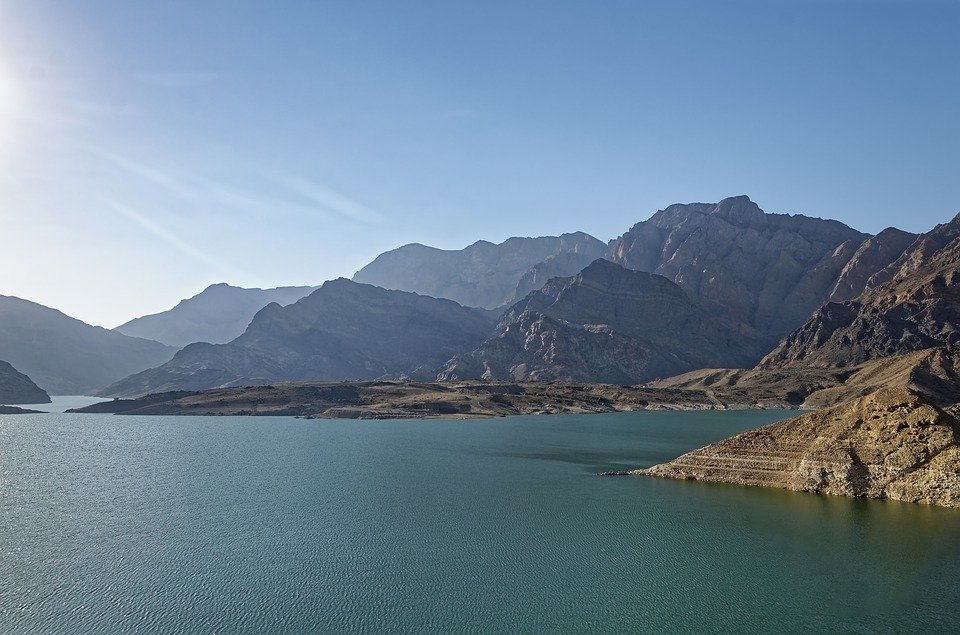
Oman is the quieter neighbour of the Gulf, and many travellers prefer it for that reason. Muscat is calm and walkable, the forts of Nizwa and Jabreen feel untouched by time, and the wadis, with their emerald pools, are some of the most beautiful places in the region. Muscat is also only a short flight from several Indian cities.
Entry for Indians: Indian passport holders generally need a visa, which is applied for online through the Royal Oman Police e-visa portal. Indians holding certain valid visas or residence permits, such as those from the US, UK, Schengen countries, Canada, Australia or Japan, may qualify for a visa on arrival. Confirm your eligibility on the official portal before you book.
Budget tip: Hiring a car with friends is often the cheapest way to see the wadis and forts, as public transport outside Muscat is limited.
Do not miss: Muttrah Souq, the Sultan Qaboos Grand Mosque, Nizwa Fort, Wadi Shab, Wadi Bani Khalid and the turtle beaches of Ras Al Jinz.
9. Singapore

Singapore is not the cheapest city in Asia, but it is easier on the wallet than its reputation suggests. Hawker centres serve some of the best food in the city for a few dollars, public transport is excellent, and many of its best sights, from Gardens by the Bay’s outdoor gardens to the Botanic Gardens, cost nothing.
Entry for Indians: You need a visa, applied for through an authorised visa agent. According to the High Commission of Singapore in New Delhi, processing usually takes three to five working days, and the processing fee is ₹2,100, with agents adding their own service fee. All visitors must also submit the SG Arrival Card before arrival.
Budget tip: Eat at hawker centres such as Lau Pa Sat and Maxwell, and use an MRT card instead of taxis.
Do not miss: Marina Bay, Gardens by the Bay, Chinatown, Little India, Sentosa and the Singapore Botanic Gardens.
10. Malaysia
Malaysia packs a great deal into one trip. Kuala Lumpur pairs the Petronas Twin Towers with the street food of Jalan Alor, George Town in Penang is a UNESCO World Heritage city known for its hawker food and colourful old shophouses, and Langkawi offers beaches and rainforest for a slower few days. Many Indian travellers also feel at home in Little India at Brickfields and at the Batu Caves temple just outside the capital.
Entry for Indians: Indian citizens can currently visit Malaysia visa-free for up to 30 days for tourism. According to the Immigration Department of Malaysia, this exemption runs until 31 December 2026, so if you are travelling in 2027, check whether it has been extended. Every visitor must also complete the Malaysia Digital Arrival Card (MDAC) online in the three days before arrival.
Budget tip: Hawker stalls and food courts serve a full meal for very little, and Kuala Lumpur’s train network makes it easy to skip taxis. Compare fares from several Indian cities into Kuala Lumpur, as low-cost airlines fly the route often.
Do not miss: The Petronas Twin Towers, Batu Caves, Jalan Alor, George Town in Penang, Melaka and Langkawi.
One more to consider: Myanmar
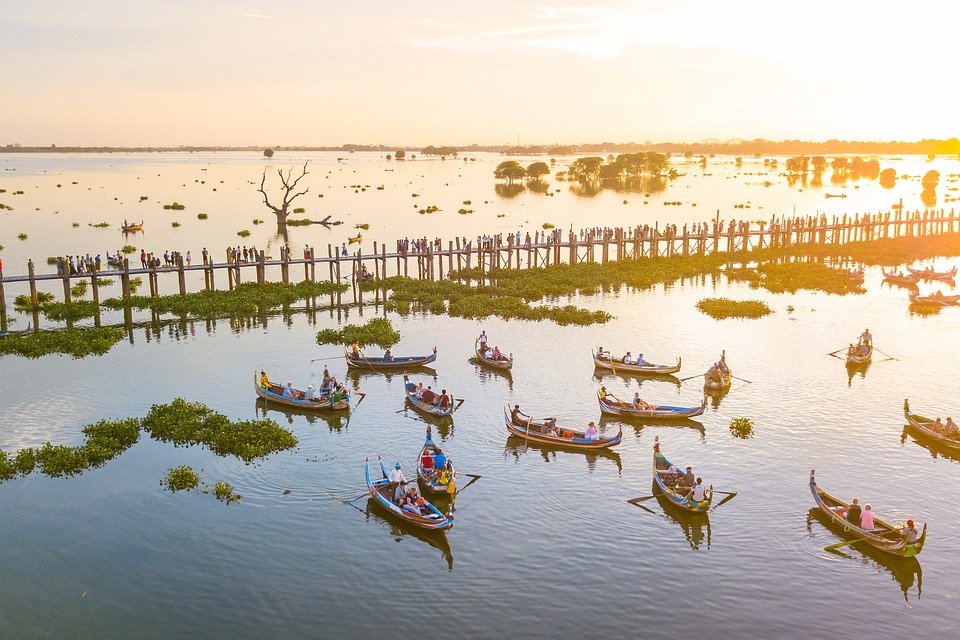
Myanmar has some of the most extraordinary sights in Asia, from the temples of Bagan to the floating villages of Inle Lake, and it has long been one of the cheapest countries in the region to travel in. Indian passport holders can apply for an e-visa, and a visa on arrival is also available.
Before you plan a trip, please read the latest advisory from the Embassy of India in Yangon. Its October 2026 advisory warns that travel to Myanmar’s border areas involves significant risks because of armed conflict, and asks travellers to stay within city limits in places such as Yangon, Mandalay, Bagan and Inle, and to follow local curfews and restrictions.
How to travel abroad on a budget from India
Whichever country you choose, a few habits make every trip cheaper. Book flights several weeks ahead and compare nearby airports. Travel in the shoulder season, just before or after the peak months. Eat where local people eat, use public transport, and keep an eye on your bank’s foreign transaction fees, as a forex card often works out cheaper than a regular debit card. Most importantly, read the official entry rules and check the current conditions in the country again a week before you fly. In other words, the cheapest trip is the one that does not go wrong at the airport.
Frequently asked questions
Which is the cheapest country to visit from India?
Nepal is usually the cheapest, because flights are short, no visa is needed and the rupee is widely accepted. Sri Lanka is also good value, with a free 30-day visa for Indians. Bhutan needs no visa either, but Indian visitors pay a fee of ₹1,200 per night.
Which countries can Indians visit without a visa?
Among the countries in this guide, Nepal and Bhutan need no visa, Thailand allows 30 days visa-free for tourism, and Malaysia allows 30 days visa-free until 31 December 2026. Sri Lanka gives a free visa through its online ETA, and the Maldives issues a free visa on arrival. These rules change, so check official sources before you book.
Can Indians visit Nepal and Bhutan without a passport?
Yes, but not without any document. An original Voter ID card issued by the Election Commission of India is accepted for both countries. Aadhaar is not accepted for Nepal.
How many days can Indians stay in Thailand without a visa?
From 15 September 2026, Indian passport holders can stay visa-free for 30 days for tourism. Every visitor must also complete the Thailand Digital Arrival Card online before arrival.
About The Daily Brunch
The Daily Brunch is one of India’s top luxury travel and hospitality publications. Since 2016, we have reported on luxury hotels, fine dining, chefs, wellness and travel, from cities and resorts across India to destinations around the world. Learn more about us.

The Daily Brunch editorial team, led by co-founder Anju Anna Alex, has written about luxury hotels, restaurants, chefs and travel across India and beyond since 2016, with stories told through the people behind them.