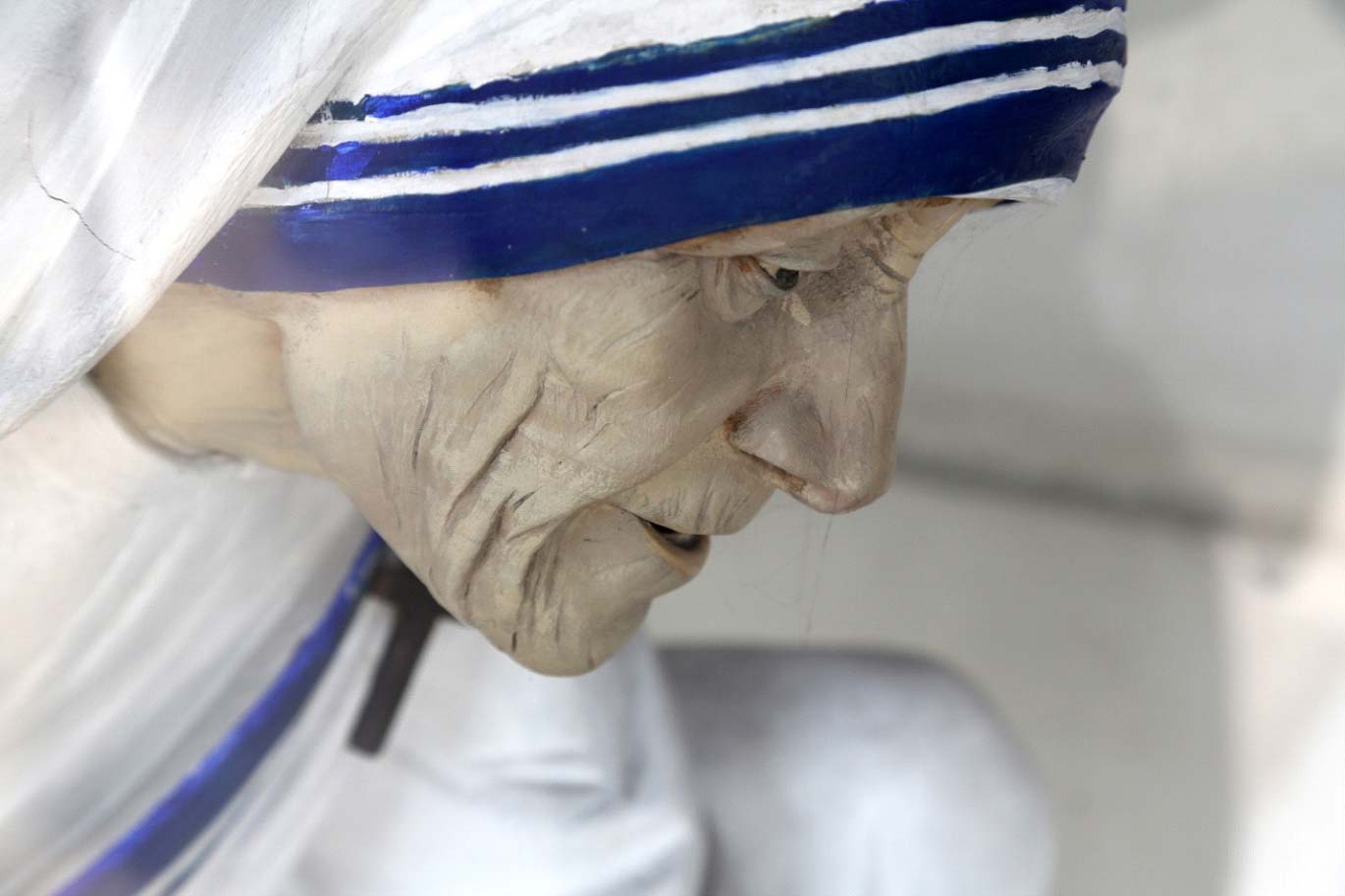
Mother Teresa, born Agnes Gonxha Bojaxhiu on August 26, 1910, in Skopje (present-day North Macedonia), was a Roman Catholic nun and missionary best known for her humanitarian work in India. She spent over 45 years serving the poor, sick, and marginalized in Kolkata, where she founded the Missionaries of Charity. Drawn to religious life at a young age, she left Europe for India in 1929, dedicating her life to caring for those living in extreme poverty.
Mother Teresa: Early Life
Mother Teresa received training in Darjeeling and also in Ireland which ultimately led to taking her final religious vows in the year 1937. As stated by Mother Teresa, she experienced an inner voice or a second vocation dictating her to help the underprivileged in India. She considered her existence as a sole purpose to helping mankind. And, she kept working for the cause till God swept her in his arms.
Mother Teresa had the qualities of a true role model-she was courageous and never demanded publicity for her work. Every deed completed, she believed was seen by God which was the only recognition she needed. In 1950, she started a group in Kolkata now known as Missionaries of Charity in which members along with the traditional vows pledged to also give free service to the poverty-stricken.
“If you judge people, you have no time to love them..”-Mother Teresa
Amidst the chaos and poverty ridden life, Sister Teresa radiated warmth and compassion to all those around her. When she reached Calcutta, the city encased a million poor people mostly living on pavements. Seeing the deteriorated condition, she took up medical training in Patna, India and returned to treat the affected. A deadly disease which was creeping up in the slums of the city was Leprosy. She set up various health centers to provide the people with proper treatment and later on expanded the clinics to a leper colony.
Why is Mother Teresa famous?
Mother Teresa is famous for dedicating her life to serving the poor, sick, dying, and abandoned, particularly in Kolkata, India. She founded the Missionaries of Charity, a global humanitarian organization.
Mother Teresa: Awards and Recognition
Mother Teresa’s work towards humanity, gained her many prestigious awards from all over the world such as the Padmashree award, Noble Peace Prize, Bharat Presidential Medal of Freedom, Jawaharlal Nehru Award, Pope John XXIII Peace Prize and many more. Here is order in which she received these awards:
1969 – Jawaharlal Nehru Award for International Understanding
1962 – Ramon Magsaysay Award
1976 – Pacem in Terris Award
1978 – Balzan Prize
1979 – Nobel Peace Prize
Mother Teresa also voiced her opinions about abortion, divorce and contraception to bring about awareness amongst the people due to the high illiteracy rate. To alleviate the poverty and illness around her, she gave herself selflessly to the cause not wanting anything in return, valuing every person caressing their soul with love and dignity. As one of the greatest inspiration of the twentieth century, the strength and power of her teachings still bides with us remaining a symbol of compassion to the world.
The world was saddened by the loss of a beautiful spirit on 5 September 1997. The values she taught us through her contributions have taught us a lot, enlightening us with the miracles of invincible hope and extraordinary goodwill. With virtues at such unparalleled heights, Mother Teresa’s life bespoke the joy of living life to its essence. In the light of her services to humanity and miracles attributed to her name, Mother Teresa is to be canonized as “St. Teresa of Calcutta” on Sept. 4, 2016 led by Pope Francis.
More About Mother Teresa
Mother Teresa, later known as Saint Teresa of Calcutta, was a Roman Catholic nun, missionary, and humanitarian who dedicated her life to serving the poorest of the poor in India. Over the course of more than four decades, she worked tirelessly among the sick, abandoned, and dying, transforming humanitarian care in urban slums and marginalized communities. Her work continues today through the Missionaries of Charity, an organization active across multiple continents.
Why Mother Teresa Chose India as Her Mission Field
Mother Teresa arrived in India at a time when cities like Calcutta (now Kolkata) were grappling with extreme poverty, disease, and displacement. The country’s colonial aftermath, combined with rapid urban migration, had left millions without access to shelter, healthcare, or dignity in death. It was within this environment that she found her calling.
She believed India was not merely a place of service, but a place where love could be practiced in its most radical form. Her decision to stay in India permanently reflected her belief that true compassion required presence, humility, and lifelong commitment.
Missionaries of Charity: Purpose and Global Impact
Founded in 1950, the Missionaries of Charity began as a small congregation in Kolkata and grew into a global humanitarian organization. The order’s mission was rooted in one simple principle: to serve Christ in the poorest and most vulnerable.
Key Areas of Work:
-
Care for the dying and destitute
-
Rehabilitation of leprosy patients
-
Orphanages and homes for abandoned children
-
Support for people with HIV/AIDS
-
Disaster relief and emergency aid
Today, the Missionaries of Charity operate in over 130 countries, continuing Mother Teresa’s legacy of compassionate service.
Mother Teresa and Leprosy Care in India
Leprosy was one of the most stigmatized diseases in India during the mid-20th century. Patients were often ostracized from society, denied medical treatment, and forced to live in isolation. Mother Teresa challenged this stigma directly.
After undergoing medical training in Patna, she helped establish clinics and outreach programs focused on early detection and treatment of leprosy. These efforts later expanded into full-scale leprosy colonies, offering not just medical care but dignity, shelter, and community.
Major Contributions of Mother Teresa to Humanity
Mother Teresa’s contributions extended beyond physical care. She redefined humanitarian work by emphasizing dignity, love, and human presence.
Lasting Contributions:
-
Humanized end-of-life care for the dying poor
-
Integrated spiritual compassion with medical service
-
Elevated global awareness of urban poverty
-
Inspired volunteerism across religious and cultural boundaries
Her approach demonstrated that small acts of kindness, performed consistently, could create systemic change.
Mother Teresa’s Views on Life and Human Dignity
Mother Teresa was outspoken on moral and social issues such as abortion, contraception, and divorce. Her views were shaped by her religious convictions and her experiences among the poor, where she believed the sanctity of life was often most fragile.
While her opinions generated debate, she maintained that every human life deserved respect, protection, and compassion, regardless of circumstance.
Miracles Attributed to Mother Teresa
Following her death, the Vatican investigated miracles attributed to Mother Teresa as part of the canonization process. These included documented cases of unexplained medical recoveries after prayers seeking her intercession.
The recognition of these miracles led to her canonization as Saint Teresa of Calcutta in 2016, officiated by Pope Francis at the Vatican.
Frequently Asked Questions About Mother Teresa
Who was Mother Teresa?
Mother Teresa was a Catholic nun and missionary who dedicated her life to serving the poor in India, particularly in Kolkata.
What is Mother Teresa famous for?
She is known for founding the Missionaries of Charity and for her lifelong service to the sick, dying, and marginalized.
What Languages Did Mother Teresa Speak?
Mother Teresa was multilingual. She spoke Albanian, Serbian, English, Hindi, and Bengali, which allowed her to communicate directly with people in Kolkata’s slums and with volunteers from around the world.
When was Mother Teresa canonized?
She was canonized as Saint Teresa of Calcutta on September 4, 2016.
What awards did Mother Teresa receive?
Her awards include the Nobel Peace Prize, Padma Shri, Ramon Magsaysay Award, and the Pope John XXIII Peace Prize.
Why is Mother Teresa called Saint Teresa of Calcutta?
She was canonized by the Catholic Church on September 4, 2016, after the Vatican recognized miracles attributed to her intercession. She is officially known as Saint Teresa of Calcutta.
What Is Mother Teresa the Patron Saint Of?
Saint Teresa of Calcutta is commonly regarded as the patron saint of missionaries, the poor, and humanitarian workers, symbolizing service to marginalized communities.
Read about the Miracles of Mother Teresa