
By Anju Anna Alex, co-founder of The Daily Brunch | Updated Nov. 2026
What is brunch? Brunch is a relaxed, late-morning meal that combines breakfast and lunch, and most of us enjoy it at the weekend, somewhere between 10 am and 3 pm. For a publication called The Daily Brunch, it only seems right that we answer this question properly. Since 2016, we have written about brunches in hotels and restaurants across India and beyond, and if there is one thing I have learnt, it is that the idea is much bigger than a buffet. Almost every culture has its own version of a slow, late morning meal. So, in this guide, I want to share where the word came from, what time you should really go, and how people brunch around the world.
BRUNCH AT A GLANCE
What it is: a late-morning meal that combines breakfast and lunch
The word: breakfast + lunch, first in print in Britain in 1895
Usual time: roughly 10 am to 3 pm, most often at the weekend
Best time to arrive: between 11 am and 1 pm, or right at the start of a hotel buffet
In India: most hotel Sunday spreads run from about 12 noon or 12:30 pm to 3:30 or 4 pm
What is brunch?
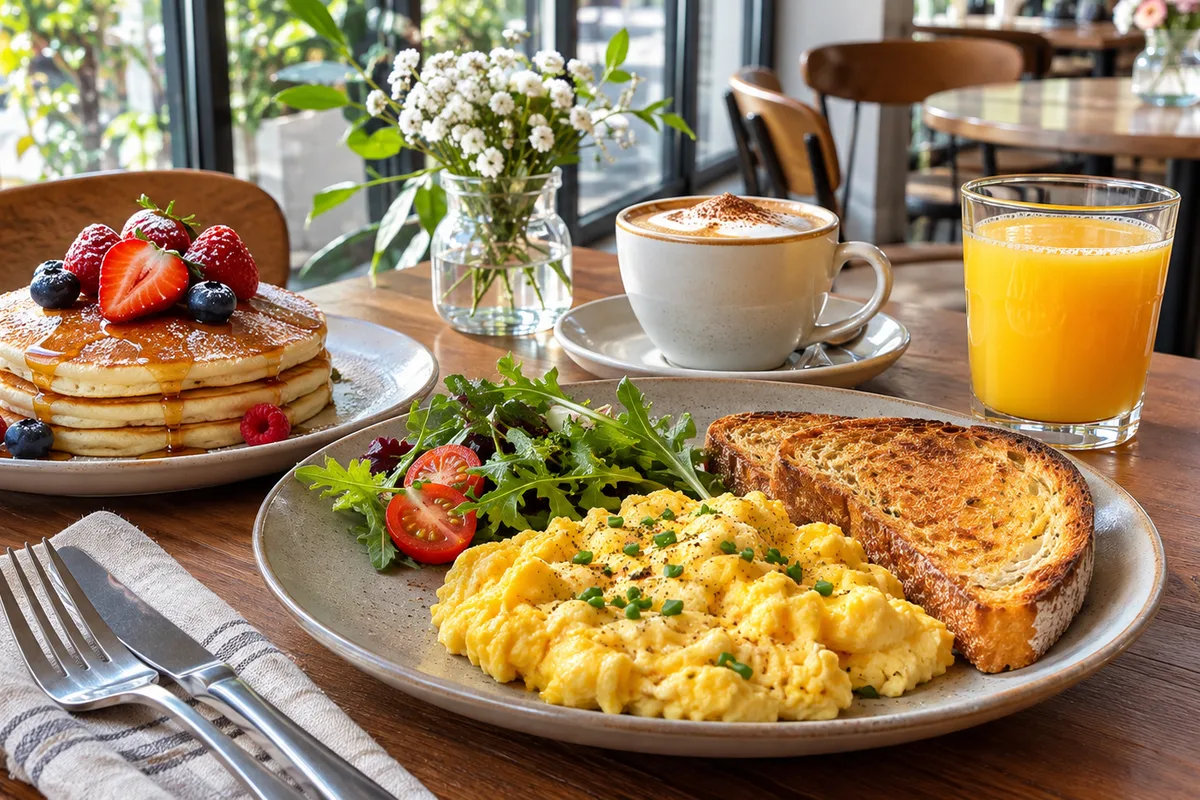
In the simplest terms, brunch is breakfast and lunch rolled into one meal. Basically, it starts later than breakfast and goes on longer than lunch, which is why the menu borrows from both. You will find eggs and pancakes on the same table as curries, salads, grills and desserts.
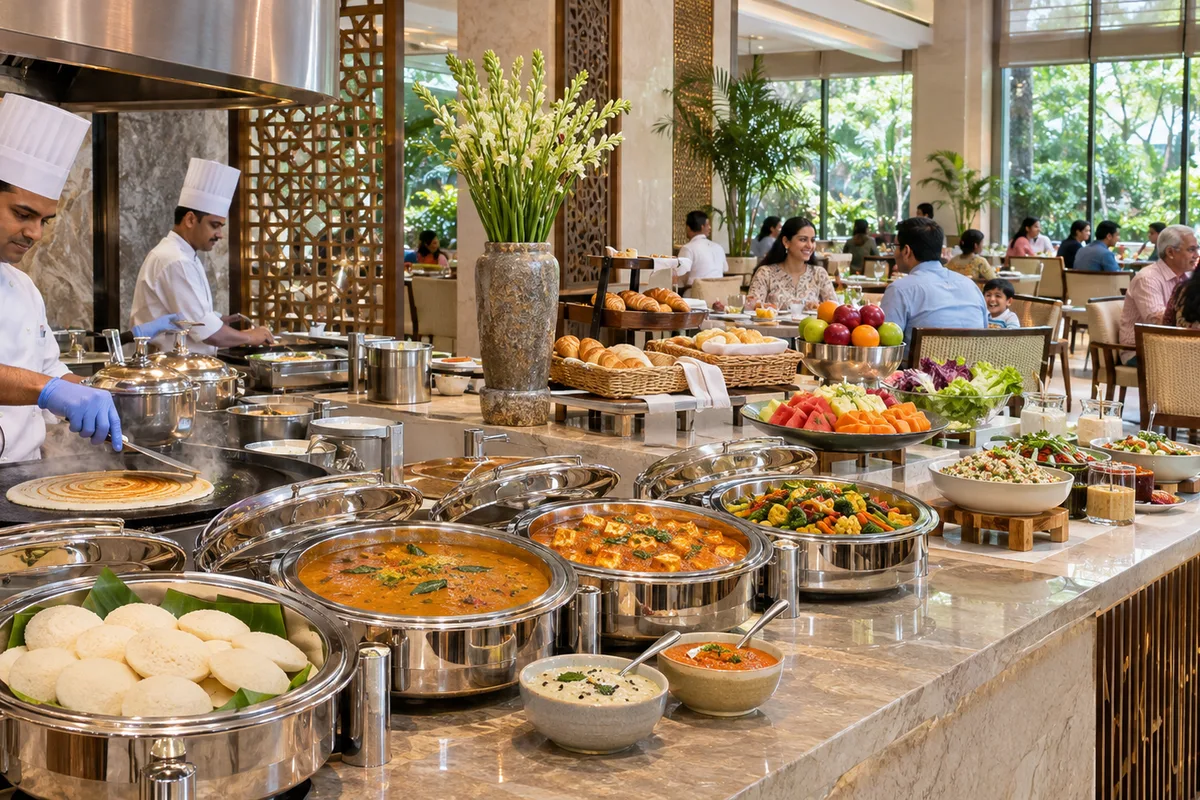
However, I do firmly believe brunch is as much a mood as it is a meal. That is why nobody rushes it. It belongs to weekends and holidays, to catching up with friends and family, and to that one extra cup of coffee you didn’t plan on. At a café, it might be a single plate of eggs on toast. At a hotel, on the other hand, it is usually a generous buffet with live counters where chefs cook to order, and it can easily take up the whole afternoon.
Where does the word “brunch” come from?
The word is simply breakfast and lunch joined together. It first appeared in print in 1895, in an essay called “Brunch: A Plea” by a British writer named Guy Beringer, published in Hunter’s Weekly.
I will confess I love this part of the story. Beringer’s reason was a simple one. He wanted an alternative to the heavy, early Sunday dinner that people in England ate after church. Reading that, I couldn’t help thinking of my own Sundays. For me, Sunday morning meant coming home from church to bread and stew, or appam and stew. We never called it brunch, but that is exactly what it was. Instead, he suggested a lighter, later meal so that people could sleep in, especially those who had been out late on Saturday night. He described brunch as “cheerful, sociable and inciting.” More than a century later, I could not agree more. If you would like the full story, Smithsonian Magazine has a lovely account of it, and Merriam-Webster still defines the word as a combination of breakfast and lunch.
How it became a weekend ritual
The idea soon crossed the Atlantic. In New Orleans, many food historians point to an early forerunner in the long, multi-course “second breakfasts” that Madame Elizabeth Bégué served at her restaurant in the late 19th century.
The meal really took off in America in the 1930s. At first, hotels led the way, partly because many restaurants were closed on Sundays. After the Second World War, it grew even more popular. Fewer people went to church on Sunday mornings, and families and friends wanted a relaxed meal out to start their day off slowly. Soon, restaurants followed with lavish spreads of their own, and brunch became the weekend institution we know today.
What time is brunch?
There is no fixed rule, and honestly, that is part of the charm. Most places serve brunch from late morning to early afternoon, roughly between 10 am and 3 pm. Cafés usually start somewhere between 9 and 11 am and keep going until 2 or 3 pm. Weekends, especially Sundays, are when most people go, although plenty of cafés now serve brunch menus all day.
In India, however, the hotel Sunday brunch keeps its own hours. Going by the brunches we have covered at The Daily Brunch, most start at 12 noon or 12:30 pm and go on until 3:30 or 4 pm. In other words, it is closer to a long, leisurely lunch than a late breakfast.
When is the best time to eat brunch?
At a café, I would aim for anywhere between 11 am and 1 pm. By then you have had a slow start to the day, the kitchen is in full swing, and you still have the whole afternoon ahead of you. At a hotel, my advice is different. Arrive close to the start time. That is when the buffet is at its freshest, the live counters are quieter, and you get the full three or four hours to enjoy everything at your own pace.
What do people eat at brunch?
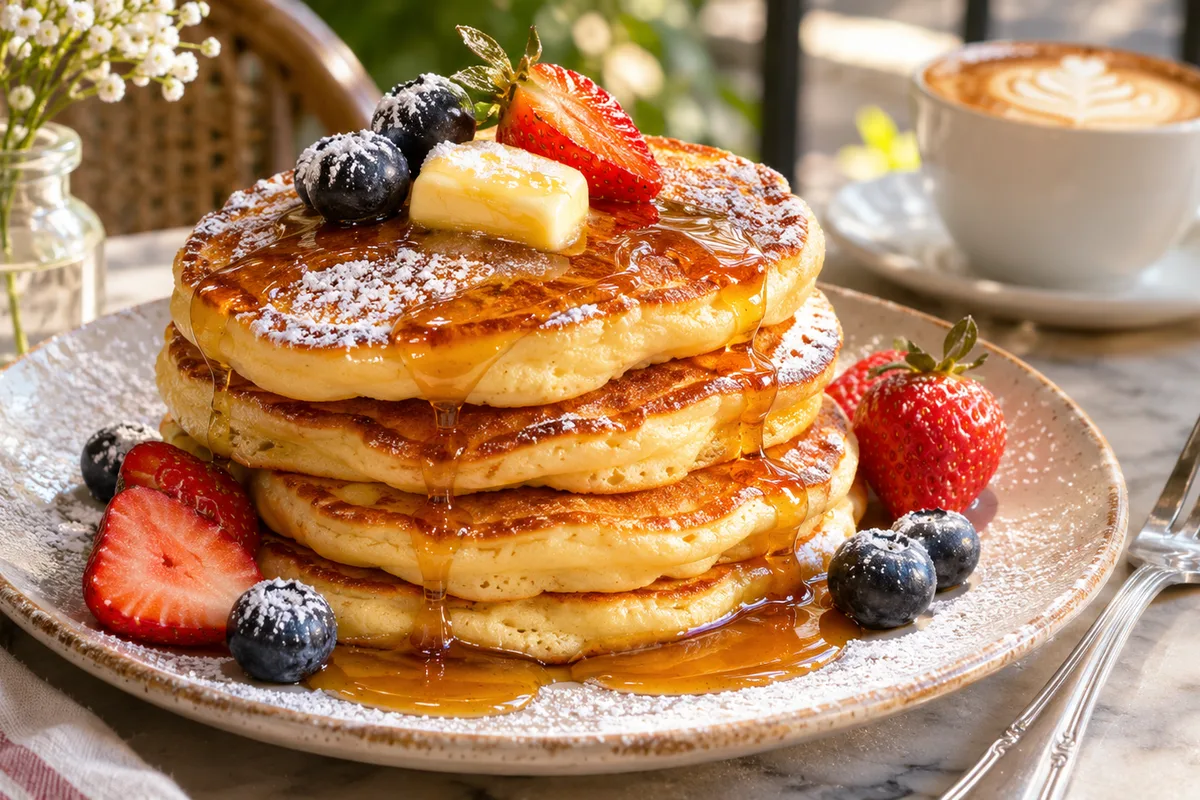
A classic brunch menu mixes breakfast favourites with heartier dishes from the lunch menu. These are the ones you will see again and again.
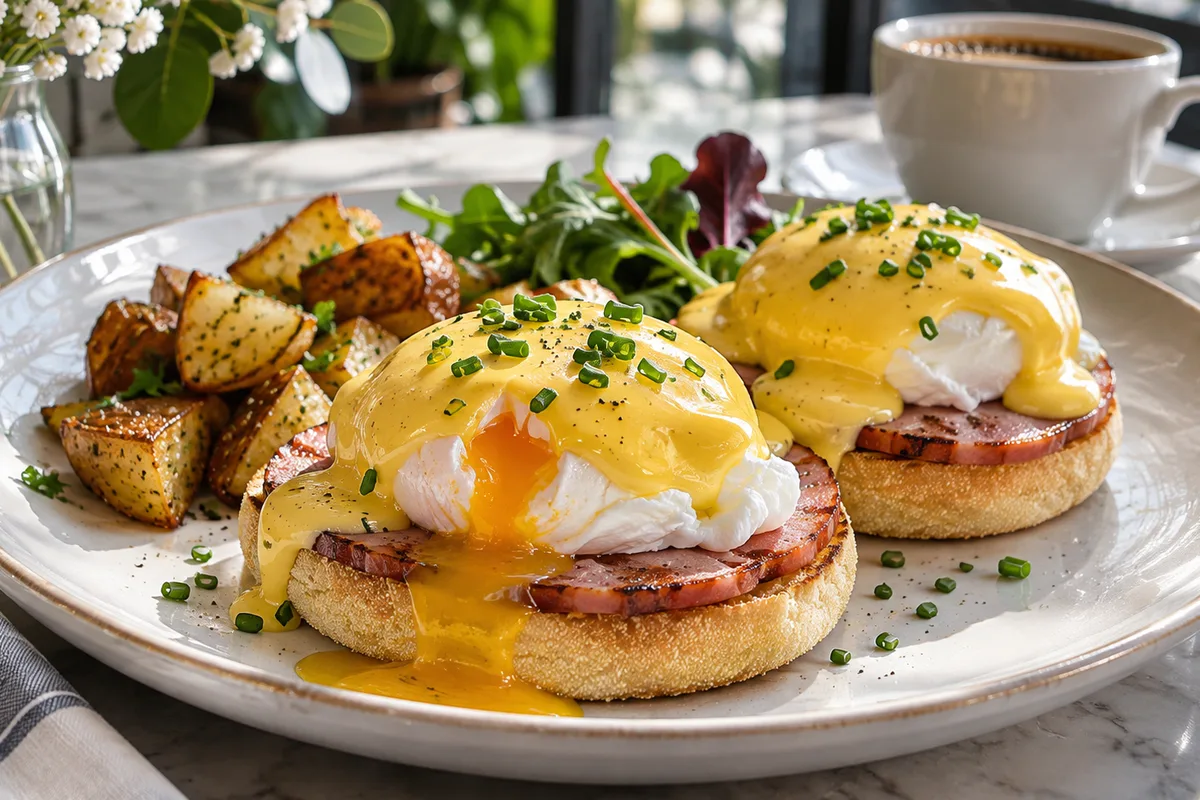
- Eggs, in every possible form. Poached, scrambled, fried, baked or folded into an omelette.
- Eggs Benedict. Poached eggs and hollandaise on a toasted muffin, perhaps the most famous dish of all. Its origin is still debated. One story credits a stockbroker, Lemuel Benedict, who reportedly ordered it at New York’s Waldorf Hotel in 1894. Another gives the credit to the restaurant Delmonico’s.
- Pancakes, waffles and French toast, with fruit, syrup or cream.
- Breads and pastries, from croissants to sourdough.
- Savoury plates such as avocado toast, grills and salads, and in India, regional curries, biryanis and chaat.
- Something sweet to finish, whether that is a slice of cake or a plate of mithai.
Brunch around the world
This is my favourite part. Even where nobody calls it brunch, people everywhere have found their own way to linger over a late morning meal. Here are some of the traditions I love the most, starting at home.
India: the Sunday hotel brunch and the Irani café
In Indian cities, brunch usually means a lavish Sunday buffet at a hotel, and families settle in for the whole afternoon. Usually, a good one starts with chaat counters and live dosa or appam stations. Then come the biryanis, regional curries and grills, and finally a table of desserts and mithai. Festivals bring their own editions too, from Diwali to Christmas and New Year.
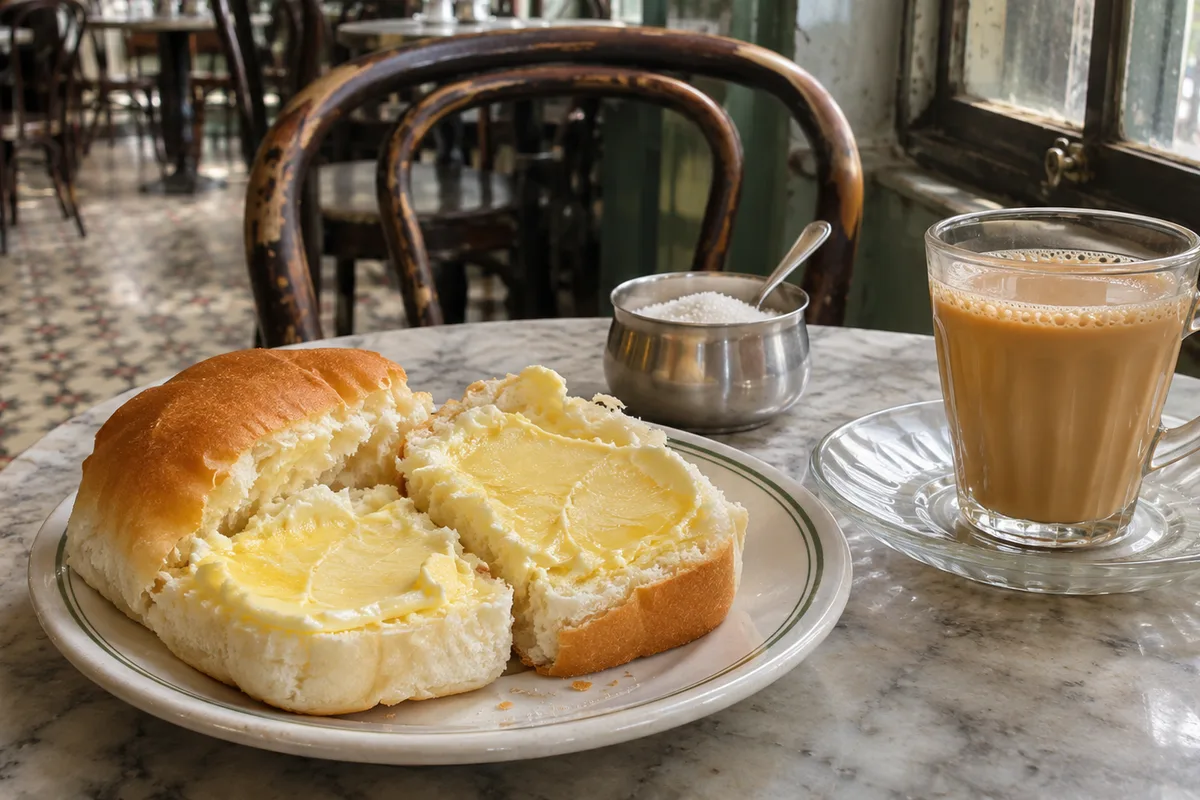
For something simpler, Mumbai’s Irani cafés have served breakfast for generations. For example, Kyani & Co., founded in 1904 at Marine Lines, is known for bun maska with Irani chai and for akuri, a spiced Parsi scramble on toast. If you ask me, there are very few better ways to start a Sunday.
Then there is Kerala, where appam and stew is a Sunday classic. Soft, lacy appams, made from a fermented rice batter, are served with a mild stew cooked in coconut milk. As I mentioned earlier, it was a big part of my own Sundays.
United Kingdom: the full English
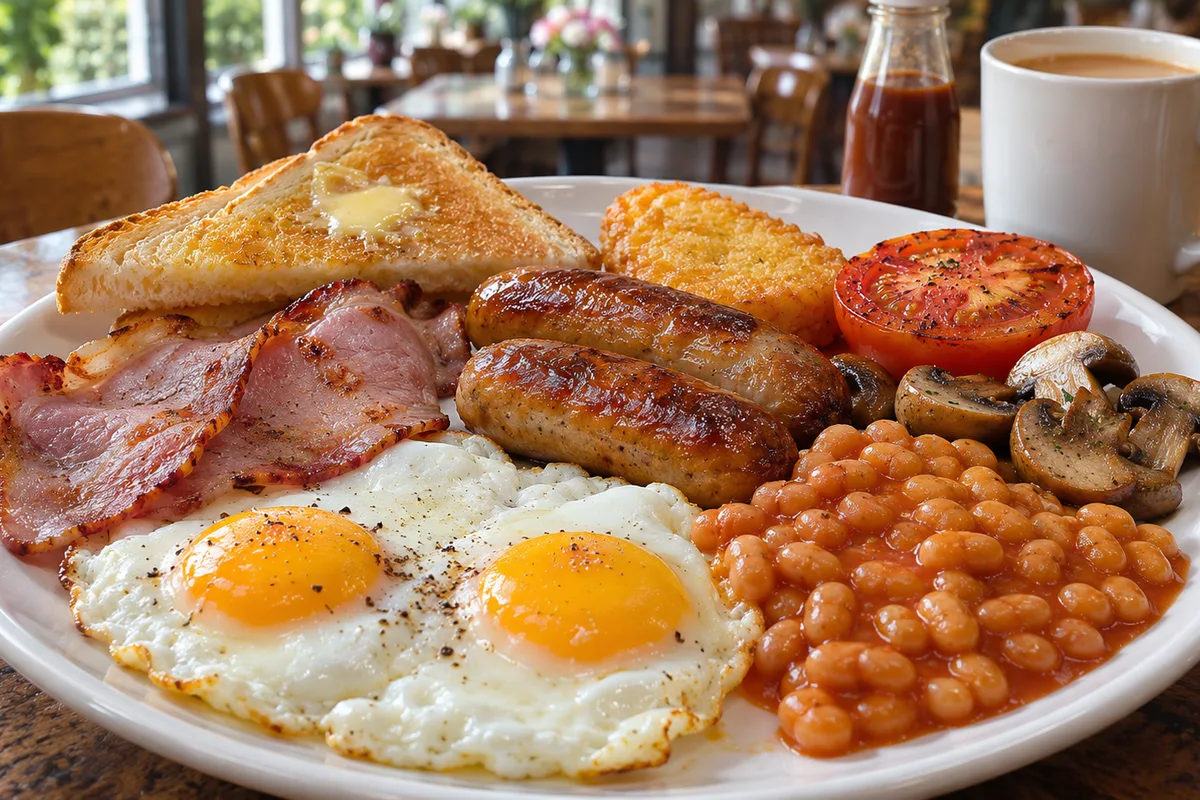
Since brunch began in Britain, it seems only fair to go there next. Even today, the British weekend revolves around a proper cooked breakfast. A full English usually brings together bacon, sausages, eggs, mushrooms, grilled tomato, baked beans and buttered toast, with a pot of tea on the side.
United States: where brunch became famous
After that, America turned brunch into a national pastime. Alongside eggs Benedict, you will find stacks of pancakes, chicken and waffles, and endless refills of coffee.
Hong Kong: yum cha and dim sum
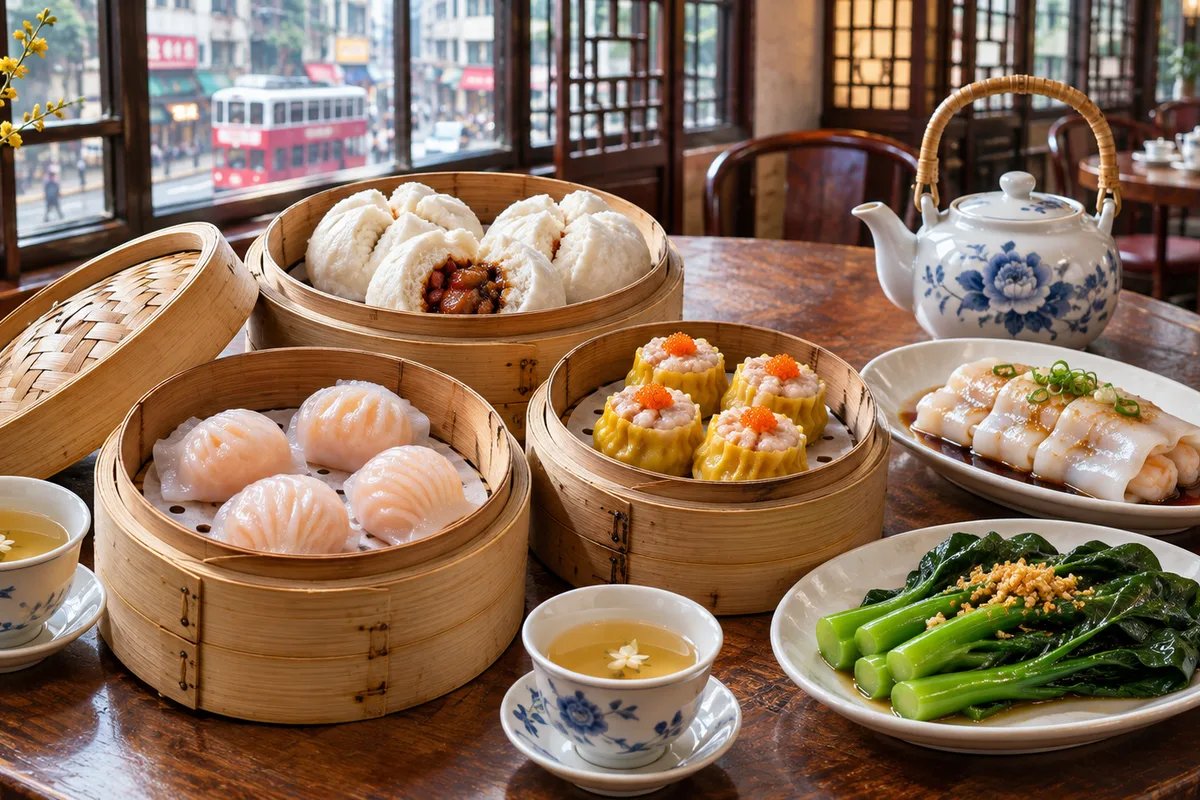
In Hong Kong and across Cantonese communities, the late morning meal is yum cha, which literally means “drink tea”. Typically, families and friends gather around pots of tea and bamboo baskets of dim sum. These steamed, fried and baked dumplings and buns traditionally come around on trolleys, and you simply point at what you want.
Japan: the Nagoya “morning”
Japan has one of my favourite traditions of all. In Nagoya, many old coffee shops offer what locals simply call “morning”. Simply order a coffee before late morning, and it often comes with thick toast, a boiled egg or a small salad at no extra cost. It is a small, generous gesture, and it is exactly the kind of unhurried start brunch is all about.
Turkey: kahvaltı
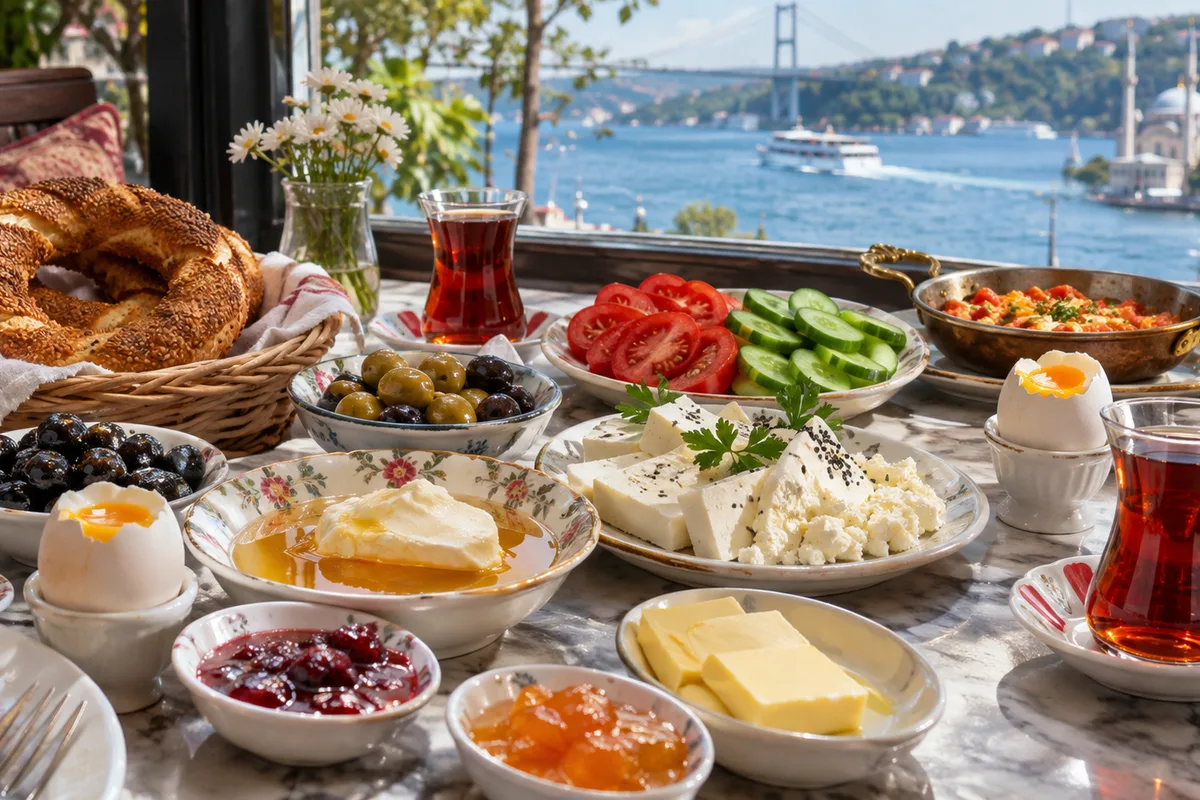
The Turkish word for breakfast, kahvaltı, means “before coffee”. At the weekend, however, it becomes a feast of many small plates. Think white cheese, olives, tomatoes and cucumbers, honey with kaymak (clotted cream), jams, eggs cooked with tomatoes and peppers in menemen, and sesame-crusted simit, all with black tea in tulip-shaped glasses.
France: croissants and café au lait
The French breakfast is famously light. Generally, a buttery croissant or pain au chocolat, bread with butter and jam, and a large café au lait are often all you need. At the weekend, though, Paris cafés fill up with people who take their time over exactly that.
Australia: café culture
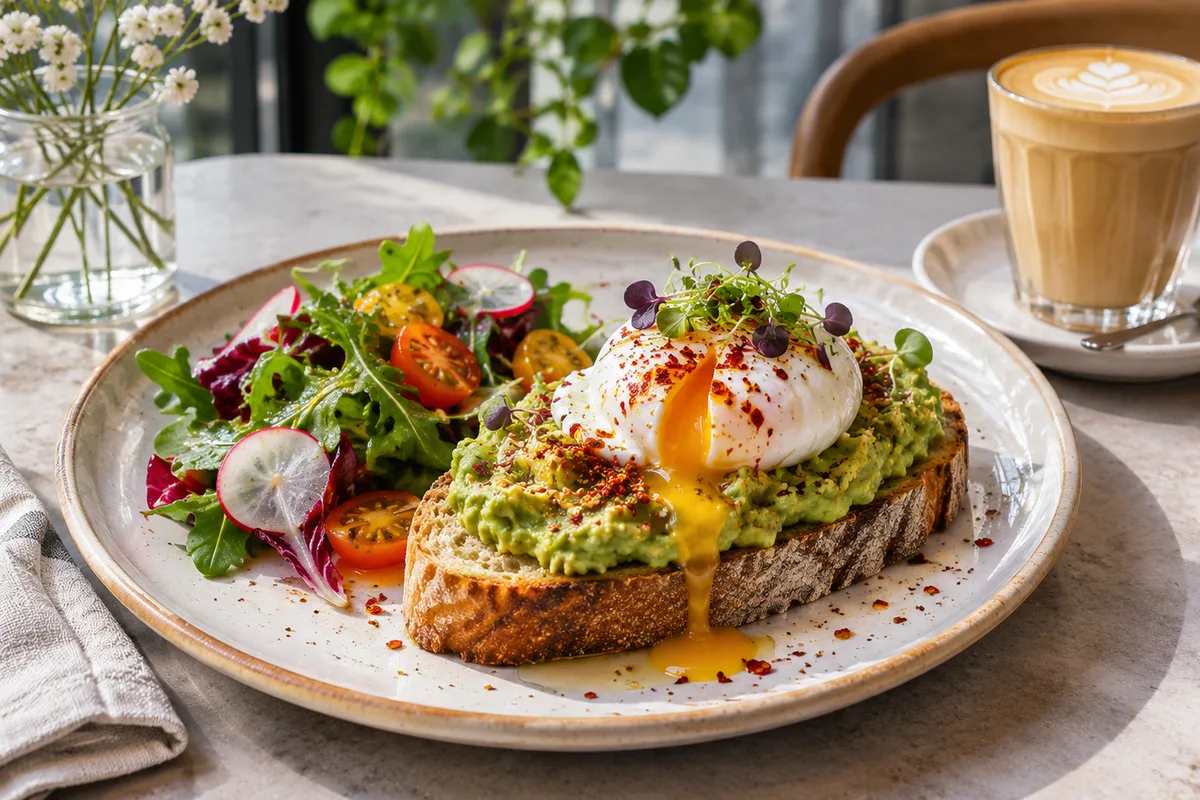
Australia has made the café breakfast into an art form. The chef Bill Granger, who opened his café, bills, in Sydney’s Darlinghurst in 1993, is widely credited with popularising avocado toast, which is now on brunch menus around the world.
The United Arab Emirates: a Saturday institution
In Dubai, for example, the long, lavish weekend brunch is a social event in its own right. When the UAE moved its weekend from Friday and Saturday to Saturday and Sunday at the start of 2022, the famous Friday brunch largely moved to Saturday.
Mexico: huevos divorciados and chilaquiles
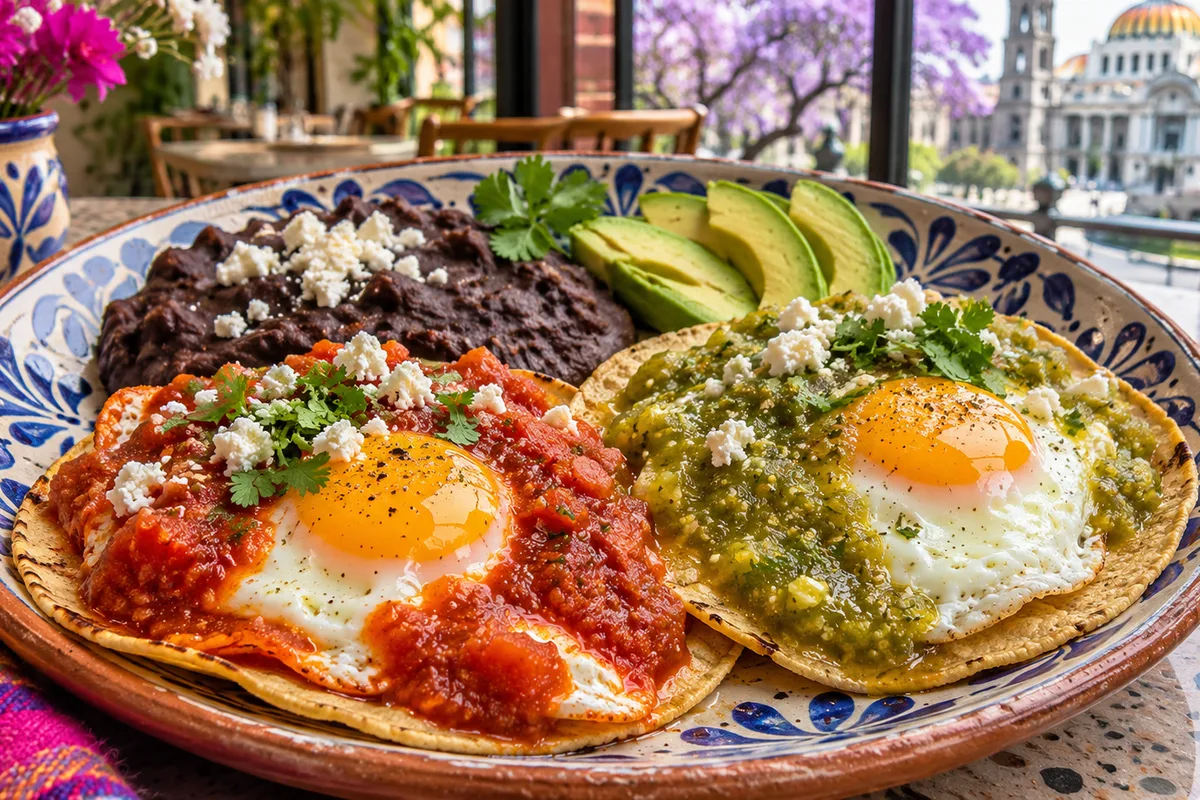
Mexican breakfasts are bright and full of flavour. Huevos divorciados, or “divorced eggs”, are two fried eggs kept apart on the plate, one topped with red salsa and the other with green. Another favourite is chilaquiles, fried tortilla pieces simmered in salsa and often topped with a fried egg, cheese and cream.
How to make the most of a hotel buffet
After ten years of writing about hotel brunches, here are a few tips I would give anyone.
- Book ahead, especially for festive brunches, because they fill up quickly.
- Arrive early to enjoy the spread at its freshest and the live counters at their quietest.
- Walk around first. First, look at every counter before you fill a plate, so you save room for the dishes you really want.
- Go back for small plates rather than one big one. The whole point is to take it slowly.
- Check what is included when you book, such as the price per person, taxes, children’s rates and drinks.
Looking for a brunch near you? Take a look at our guide to where to eat in Bengaluru and our Diwali 2026 Guide, with festive brunches across India.
Frequently asked questions
What is brunch?
Brunch is a late-morning meal that combines breakfast and lunch. Most people have it at the weekend, between about 10 am and 3 pm, and it mixes breakfast dishes such as eggs and pancakes with heartier lunch dishes.
What does the word “brunch” mean?
“Brunch” is a blend of “breakfast” and “lunch”. It first appeared in print in Britain in 1895.
Who invented brunch?
No single person invented the late morning meal. However, the British writer Guy Beringer is credited with popularising the word in his 1895 essay “Brunch: A Plea”, which argued for a lighter, later Sunday meal.
What time is brunch served?
Most places serve it between about 10 am and 3 pm. In India, most hotel Sunday brunches run from around 12 noon or 12:30 pm until 3:30 or 4 pm.
What is the best time to eat brunch?
At a café, between 11 am and 1 pm works well. For a hotel buffet, arrive close to the start time, when the food is freshest and the counters are less busy.
Is brunch breakfast or lunch?
It is both. The meal replaces breakfast and lunch with one later meal, which is why its menus combine dishes from each.
Why do people have brunch on Sundays?
Brunch began as an alternative to the heavy Sunday dinner in 19th-century Britain, and it grew in the United States as a relaxed weekend meal for people who wanted a slower start to their day off. Sunday is still the most popular day for it around the world.
What are some famous brunch dishes from around the world?
Some well-known examples are eggs Benedict in the United States, the full English in the UK, dim sum in Hong Kong, kahvaltı in Turkey, avocado toast in Australia, huevos divorciados in Mexico, and bun maska with akuri in Mumbai’s Irani cafés.
About The Daily Brunch
The Daily Brunch is one of India’s top luxury travel and hospitality publications. Since 2016, we have reported on luxury hotels, fine dining, chefs, wellness and travel, from cities and resorts across India to destinations around the world. Learn more about us.
All images on this page are illustrative.