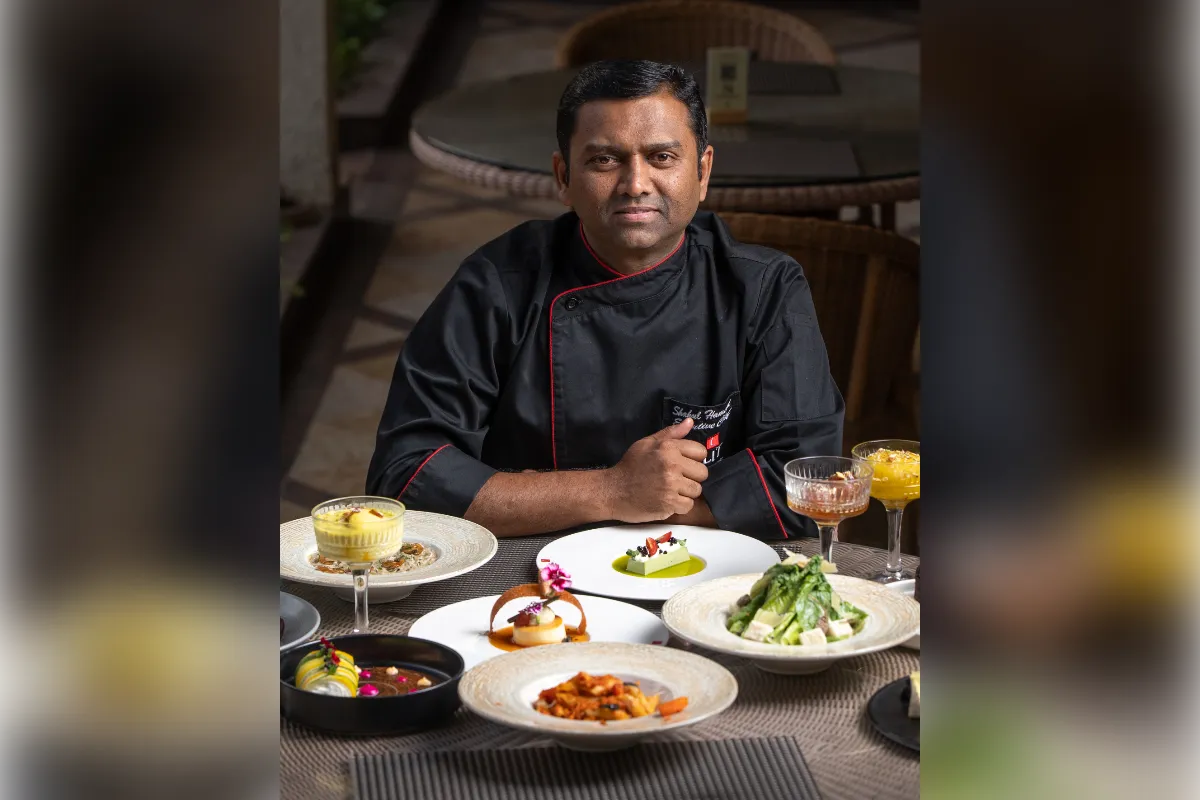
Image courtesy of The LaLiT Ashok, BengaluruChef Shahul Hameed, Executive Chef at The LaLiT Ashok, Bengaluru, first learned to cook as a schoolboy, standing beside his mother as she made a traditional Tamil Nadu-style chicken biryani. His career has since taken him from Chennai to the Continental kitchen at The Leela Palace, Bengaluru, to Carnival Cruise Line, where he led a team of 50 nationalities, and to Saudi Arabia, where he learned Arabic in three months to run his kitchen.
Today, Chef Shahul Hameed oversees the hotel’s restaurants, including Baluchi, the all-day 24/7 and Alfresco, along with its banquets. This season alone, we have written about his kitchen’s Monsoon Pizzaiola at Alfresco and the Diwali brunch at 24/7. So for our In Conversation series, we asked Chef Shahul Hameed about his mother’s cooking, what working abroad taught him, the story behind Dal Baluchi, and what a first-time visitor should order.
Chef Shahul Hameed on his mother’s biryani
You first learned to cook beside your mother. Which dish from her kitchen still shapes the way you cook today?
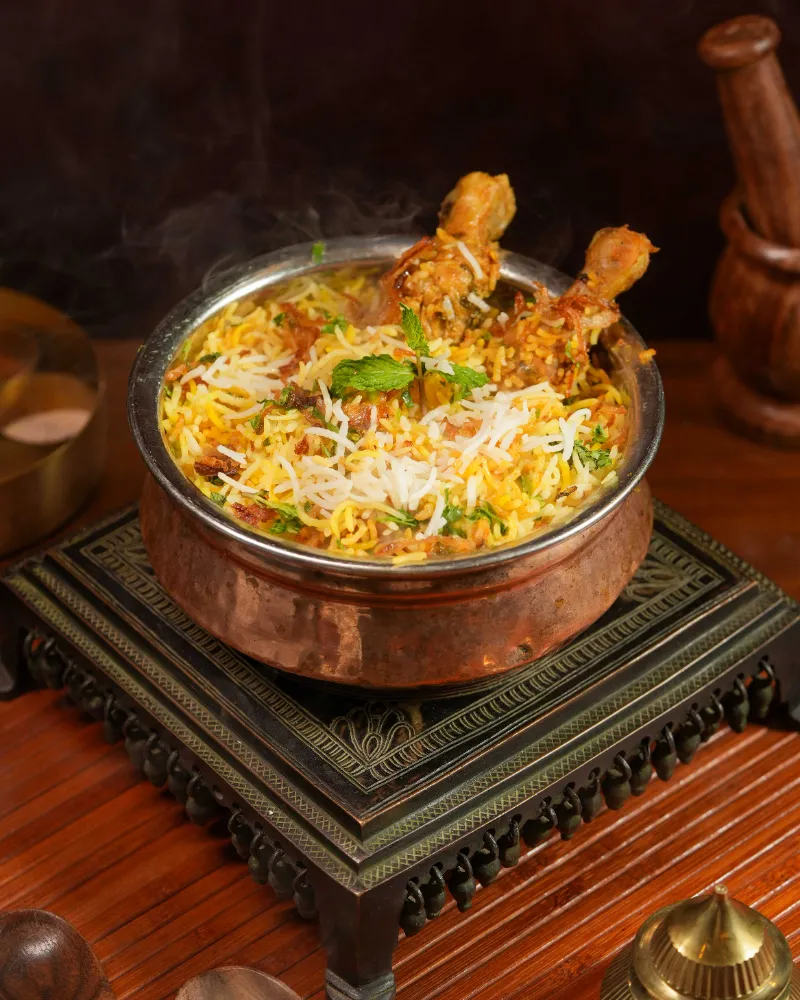
My mother’s traditional Tamil Nadu-style chicken biryani, particularly Ambur-style biryani, remains one of my strongest culinary influences. I remember standing beside her as a schoolboy, watching her transform simple ingredients into something extraordinary. The aroma of whole spices, fresh mint, coriander and slow-cooked chicken would fill our home. What fascinated me was the patience with which she prepared the meat masala before adding the fragrant seeraga samba rice.
She cooked by instinct, understanding the ingredients, their flavours and how they worked together. It was in her kitchen that I first learnt the importance of patience, balance, cleanliness and respect for ingredients.
Even today, whenever I prepare biryani, those memories return. My professional kitchens may be larger, the techniques more refined and the expectations higher, but my approach remains rooted in what she taught me. I believe a great dish must carry the same care and sincerity, whether it is prepared for family at home or served to hundreds of guests at a hotel.
Chef Shahul Hameed’s early lessons at The Leela Palace
Your career began in the Continental kitchen at The Leela Palace, Bengaluru. What did those early years teach you that you now pass on to young cooks?
Discipline, mainly. I started in Chennai in 2002 and learnt to turn up on time and do the basics properly, every single day. Then the Continental kitchen at The Leela showed me how a big team works when expectations are very high. How you handle an ingredient, how a plate should look, how everyone on the line knows their job without being told twice.
Anyone can cook one great plate. The real job is cooking the hundredth one exactly the same way. That’s what I tell young cooks now. Get the basics right first, work happily, and treat the person next to you with respect. You never know who you’ll be working for later, and the kitchen is a hard enough place without making it harder for each other.
Fifty nationalities, one kitchen
You led a team of 50 nationalities on Carnival Cruise Line, and taught yourself Arabic in three months to run a kitchen in Saudi Arabia. What did working abroad teach you about food and about people?
Working abroad taught me that food is one of the most collaborative professions in the world. On Carnival Cruise Line, I led a team representing 50 nationalities. Imagine a kitchen where everyone speaks a different language, has grown up eating different food and brings their own understanding of flavour and technique. Yet, we had to work together to deliver a great dining experience, every single day.
I learnt as much from my colleagues and team of chefs. Someone would suggest a different way of handling seafood, another would introduce a spice or cooking technique I had never considered. That exchange made us better cooks. It also taught me that good food is rarely the achievement of one person. It takes an entire team working together.
Learning Arabic in three months
Saudi Arabia taught me another lesson. I was leading a kitchen but couldn’t speak Arabic. Rather than expecting everyone to adapt to me, I learnt the language in three months. It changed how my team responded to me.
These experiences taught me that leadership begins with listening. You cannot build a great kitchen without respecting the people in it. Food brings cultures together, but it is trust, curiosity and teamwork that make the collaboration successful.
The story of Dal Baluchi
Your philosophy is “authentic flavours, modern expression, regional pride, refinement without dilution.” Which dish at The LaLiT Ashok shows this best, and what is its story?
For me, Baluchi celebrates the flavours of a unified India, drawing inspiration from the rich culinary traditions of undivided India and the diverse regional cuisines that have shaped our food heritage. Every dish has a story, and my philosophy is to preserve that story while presenting it with refinement.
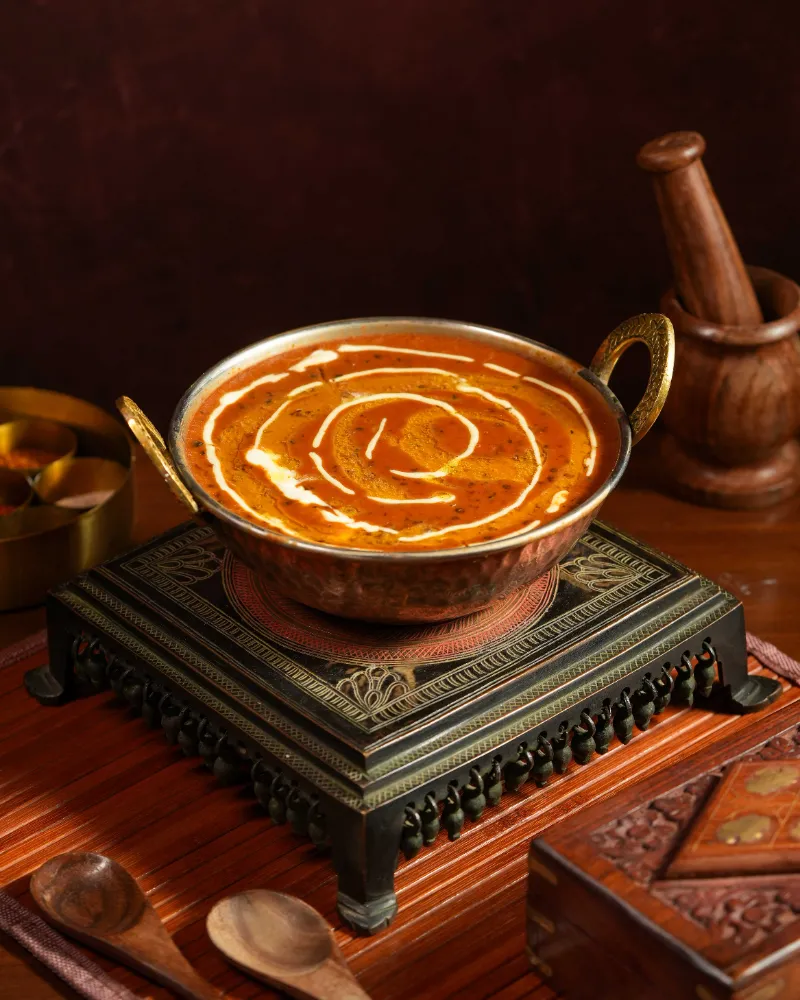
Take our signature Dal Baluchi. It is a humble dish, but one that demands patience. The black lentils are slow-cooked for hours, allowing the flavours to develop naturally. There are no shortcuts. The richness comes from time, technique and a careful balance of ingredients.
Paan Biryani and the flavours of Baluchi
Then there is our Paan Biryani, which brings an unexpected dimension to a much-loved classic. The distinctive fragrance of paan lends an interesting character to the biryani without overpowering its traditional flavours. It is an example of how creativity can enhance a dish while respecting its roots.
At Baluchi, we celebrate everything from robust North Indian preparations to the distinctive flavours of coastal and southern India. I believe our culinary diversity is our greatest strength.
My intention is not to reinvent Indian cuisine, but to honour its heritage, preserve its authenticity and present it in a way that resonates with today’s diners.
Giving every restaurant its own identity
The hotel’s menus range from Monsoon Pizzaiola at Alfresco to the Diwali brunch at 24/7. How do you give each restaurant its own identity while also leading large banquets?
Every restaurant has its own personality, and I believe the food should reflect that. At Alfresco, the experience is relaxed and informal, with offerings such as Monsoon Pizzaiola bringing a sense of seasonality and fun. At 24/7, guests expect variety, comfort and something new to discover, whether it is a festive Diwali brunch or an elaborate live counter. Baluchi is different. It is about celebrating India’s culinary heritage through authentic recipes, regional flavours and refined presentation.
My responsibility is to give each team the freedom to express that identity while ensuring the quality remains consistent. I work closely with my chefs, encourage their ideas and trust them to take ownership of their kitchens. Food is the main ingredient at any restaurant, but the ambience, music and vibes also add to the charm of each place and give it its own identity.
Cooking for hundreds of guests
Banqueting is another world altogether. When you are cooking for hundreds of guests, planning becomes as important as cooking. From menu engineering and ingredient sourcing to timing and service, everything needs to come together seamlessly. A wedding banquet, for instance, must feel just as personal and thoughtfully prepared as an intimate dinner.
Over the years, I have learnt that you cannot run every kitchen yourself. You build good teams, give them confidence and create a shared sense of responsibility. Ultimately, guests should remember the food and hospitality, not the complexity behind delivering it.
What Chef Shahul Hameed recommends on your first visit
A reader is visiting The LaLiT Ashok for the first time. Where should they eat, and what should they order?
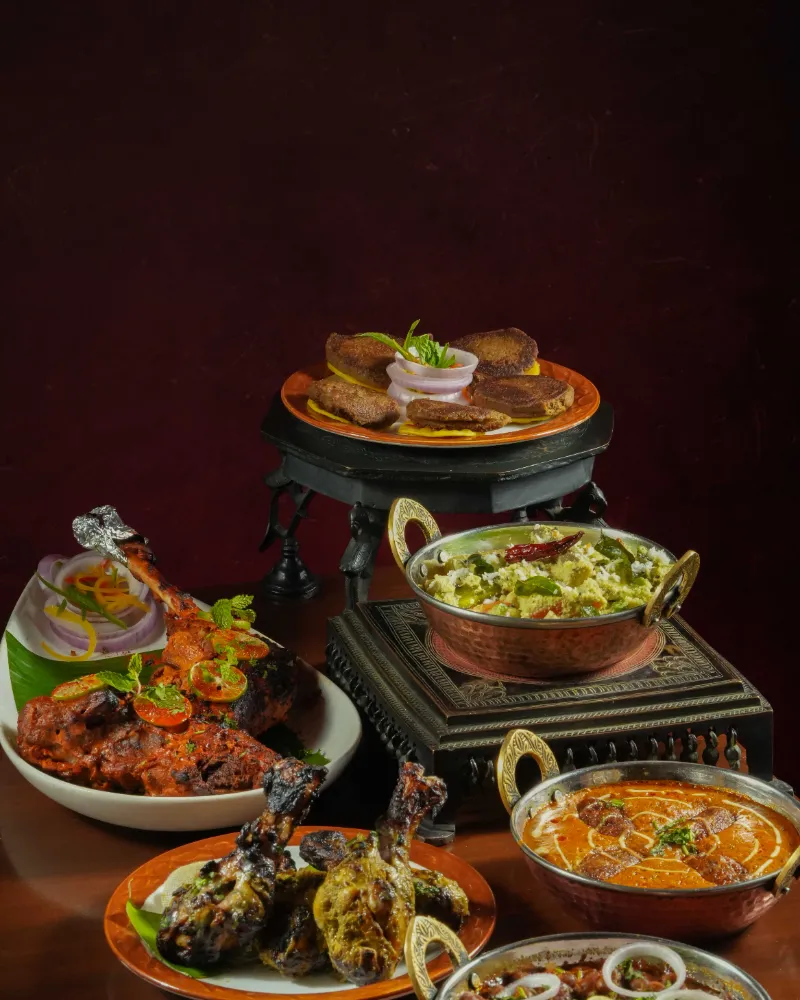
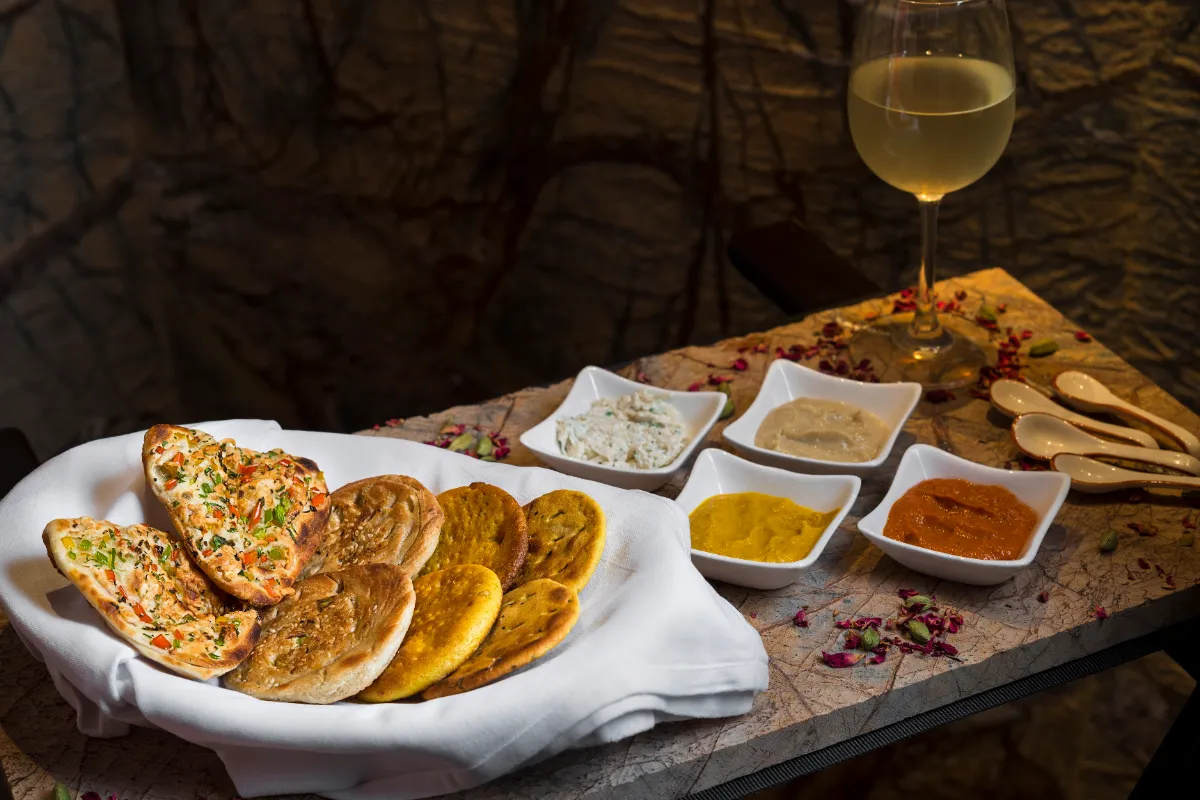
Come to Baluchi for dinner. Start with Naanery, an experience exclusive to The LaLiT. It pairs Indian breads with wines, and these are matches made in heaven. Then, of course, there are our signature dishes, which are loved by all our patrons: Gucchi Aur Safed Mushroom Ki Galouti and Dal Baluchi, along with the choicest naans. If you eat meat, share the Raan-e-Sikandari. It’s a baby lamb leg cooked in a sealed clay pot, and it’s made for a table of friends.
Add one dish from the South so you taste the range. The Kori Gassi with a Kerala Paratha works very well, and the Nannari Ka Sharbat is a good drink to start with. Finish with the Gulab Ki Kheer. If you’re coming on a weekend afternoon, then 24/7 for brunch, or Alfresco if the weather is kind.
The festive season in his kitchen
Diwali and Christmas are close together this year. What does the festive season look like in your kitchen, and which festive dish do you look forward to most?
It means very long days, and the planning for both begins weeks in advance. Once the Diwali brunch at 24/7 is done, the kitchen turns its attention to Christmas. The whole team is working towards the same date, and everyone is a little tired but equally proud of what we create together. This year, I want to bring in a stronger focus on variety, freshness and the overall guest experience.
For Diwali, we are looking at celebrating the richness of Indian festive cuisine while ensuring there is something for every guest to enjoy. For Christmas, we are working on a festive spread that brings together traditional favourites, seasonal flavours and a few new creations. I also want to encourage more interaction through live counters and chef-led experiences, so guests feel part of the celebration rather than simply dining at a buffet.
For me, the most important thing is that every dish reflects the effort and passion of the team. Festivals are special occasions for our guests, and it is our responsibility to make those moments memorable through food, consistency and warm hospitality.
Chef Shahul Hameed’s picks at The LaLiT Ashok
At a glance
For dinner: Baluchi, starting with Naanery
Signatures: Gucchi Aur Safed Mushroom Ki Galouti and Dal Baluchi, with the choicest naans
Also try: Paan Biryani
To share: Raan-e-Sikandari
From the South: Kori Gassi with Kerala Paratha, and Nannari Ka Sharbat
To finish: Gulab Ki Kheer
Weekend afternoons: brunch at 24/7, or Alfresco when the weather is kind
If the answers from Chef Shahul Hameed have you planning a long weekend meal, our guide What Is Brunch? covers its history, the best time to go and brunch traditions from around the world. You can also read more chef interviews in our In Conversation series.
About The Daily Brunch
The Daily Brunch is one of India’s top luxury travel and hospitality publications. Since 2016, we have reported on luxury hotels, fine dining, chefs, wellness and travel, from cities and resorts across India to destinations around the world. Learn more about us.
Images courtesy of The LaLiT Ashok, Bengaluru.
Anju Anna Alex co-founded The Daily Brunch in 2016 with a simple belief: that a good meal tells you as much about a place as any guidebook. Her own idea of brunch began with Sunday appam and stew after church, and today she writes about hotels, chefs and travel from Canada, staying closely connected to India’s hospitality scene. A Canadian travel and hospitality writer, she holds an MSc from the London School of Economics and an MA from EFL University, and is a Fellow of the Royal Society of Arts.