In Paris, closing time at a neighbourhood bakery has its own small ritual. As the day winds down, a short queue forms at the counter, each person holding up a phone with a booking made an hour earlier. They have come for whatever the bakers did not sell, packed into a bag at a fraction of the price. In France, rescuing surplus food this way is an everyday habit.
Karan Singh Gujral lived that habit while studying and working in France. When he returned to India, he noticed how much good food was still left on the shelves of bakeries, cafés and restaurants at the end of the day, and how much of it was simply thrown away, in a country that loves both food and good value.
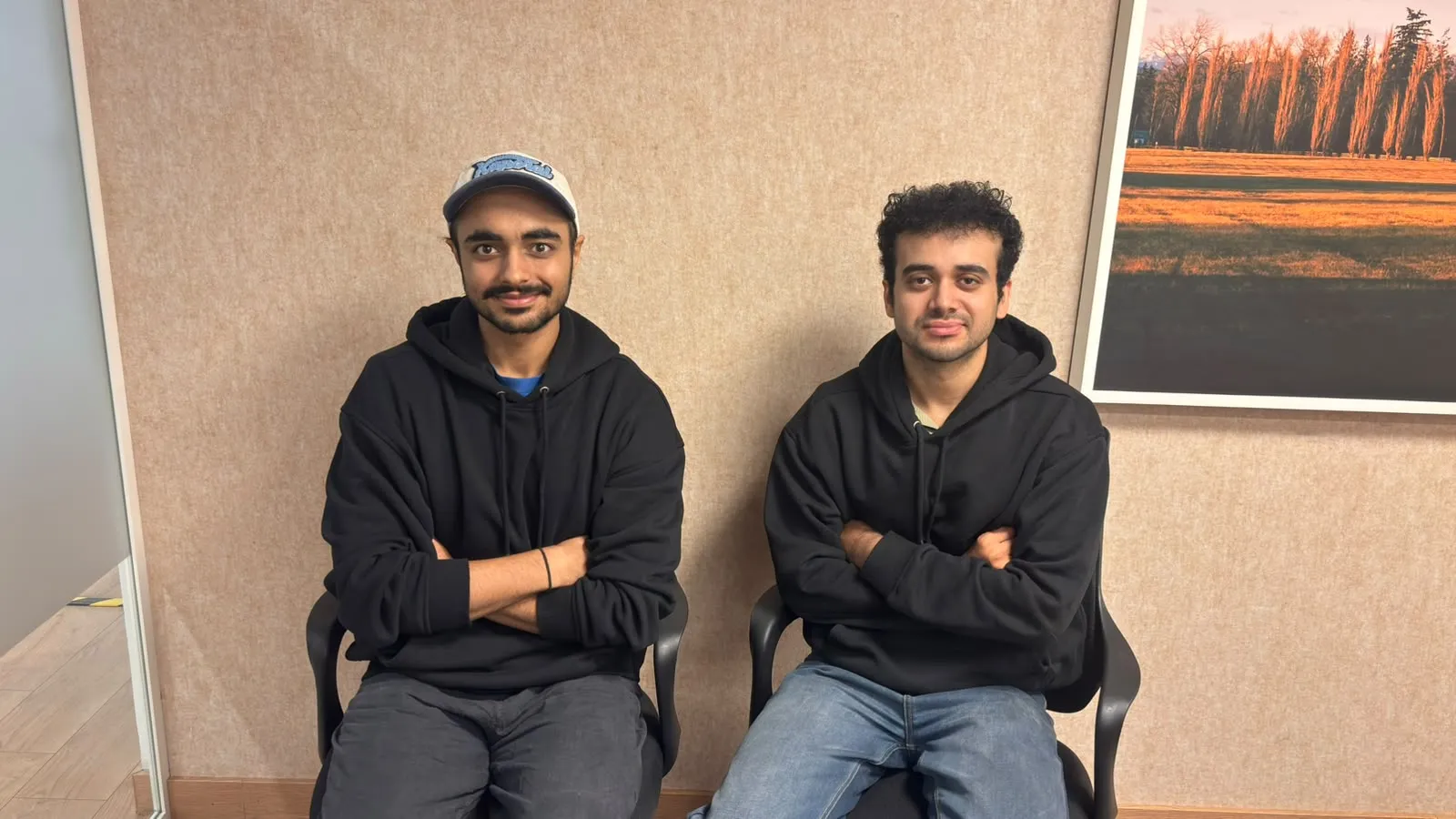
So, with his co-founder Aditya Arya, he built Replate, an anti-food-waste company in Hyderabad and Bengaluru. Bakeries, cafés and restaurants list their unsold food as Surprise Bags at a reduced price, and people nearby book and collect them before closing. Since it launched in June, Replate has sold more than 5,000 bags, built a community of over 10,000 people and grown to more than 70 outlets, including Krispy Kreme India, Barbeque Nation and Bikanervala, with a 45% repeat purchase rate and no marketing spend.
We spoke to Karan about the habit he brought home from France, how a Surprise Bag works, why big brands are signing up, and why hotels and their Sunday brunches are next.
A habit borrowed from Paris
You studied and worked in France before returning to India. What did you see there that made you want to start Replate here?
In France, buying surplus food at the end of the day is completely normal. You walk past a bakery or restaurant at closing time and people are queuing to collect a bag they booked on their phone an hour earlier. Apps like Too Good To Go are part of everyday life there, and food waste is something people actively care about and act on.
When I came back to India, I saw the opposite: good food still on the shelves at bakeries, cafés and restaurants at closing, and much of it ending up as waste. India loves food, people always look for value, and food waste is a huge problem here. What was missing was a simple way to connect the food with the people. That’s why we built Replate as an anti-food-waste company: to make sure good food gets eaten instead of thrown away.
Two roommates, two countries
Tell us about your co-founder. How did you meet, and how do you divide the work between you?
My co-founder is Aditya Arya, our CTO. We met when we both started at ESSEC Business School in Singapore, where we were roommates, and then moved to Paris together for the main campus. So we’ve known each other for about four years, and lived and studied together across two countries. That trust made it easy to decide to build something together.
Aditya built the Replate apps and owns everything on the tech side, from the customer app to the partner app our outlets use every day. I look after partnerships, operations, growth and fundraising, which means a lot of time with restaurant owners, brand teams and customers. On most days the lines blur, because in a young startup everyone does whatever needs doing.
Why did you choose Hyderabad and Bengaluru as your first two cities?
Simple: both cities have a huge population, a big young tech crowd, and a lot of bakeries, cafés and restaurants. That means plenty of good food at closing time, and plenty of people nearby who would love to buy it. We launched our pilot in Hyderabad in June, saw strong demand from the first week, and Bengaluru followed soon after.
How a Surprise Bag works
Walk us through a Surprise Bag, from the moment an outlet lists it to the moment a customer collects it. Why a surprise rather than a fixed menu?
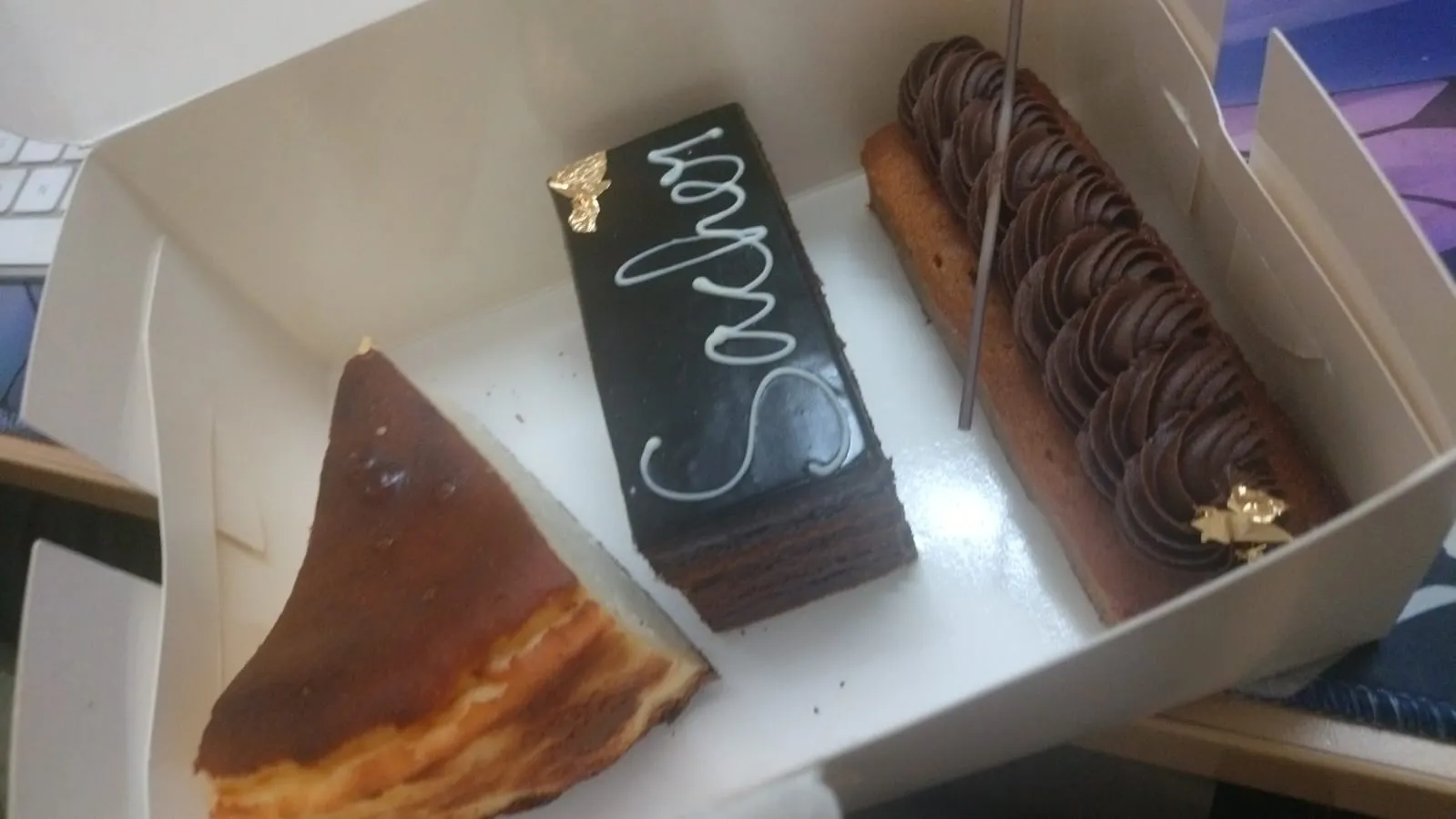
It’s built to take an outlet about ten seconds a day. Around two hours before closing, the outlet opens our partner app and lists how many Surprise Bags it has that day. The bags go live on the Replate app, people nearby book and pay, and each customer gets a confirmation code and a pickup slot in the last hour before the outlet closes. They walk in, show the code and collect. There’s no delivery, which keeps it simple and lets us keep prices low.
It’s a surprise because no bakery or restaurant can know in the morning exactly what will be left at the end of the day. A fixed menu would mean setting food aside early, while a surprise lets them include whatever is still good to sell that evening, which is exactly what stops it going to waste. Customers love it too: opening the bag is half the fun, and a lot of them share it online.
Food safety and freshness are the first things a diner will ask about. How do outlets decide what goes into a bag, and how do you help guests with vegetarian preferences or allergies?
Food safety is non-negotiable for us. Everything that goes into a bag is fresh, within its shelf life, safe to eat and of the same quality the outlet sells at full price. The outlet decides what goes in, since their team knows their food best. All our partners are FSSAI licensed, and Replate holds its own FSSAI licence as a platform.
Bags are clearly marked veg or non-veg, and veg bags are packed separately, so guests always know what they’re booking. For allergies, guests can ask the outlet team for ingredient details at pickup. As we grow, we want to add more detail to listings so people with specific dietary needs can choose with even more confidence.
Why big brands said yes
Krispy Kreme India, Barbeque Nation and Bikanervala are now on board. What convinced them, and how do you answer brands who worry that discounted bags might affect full-price sales?
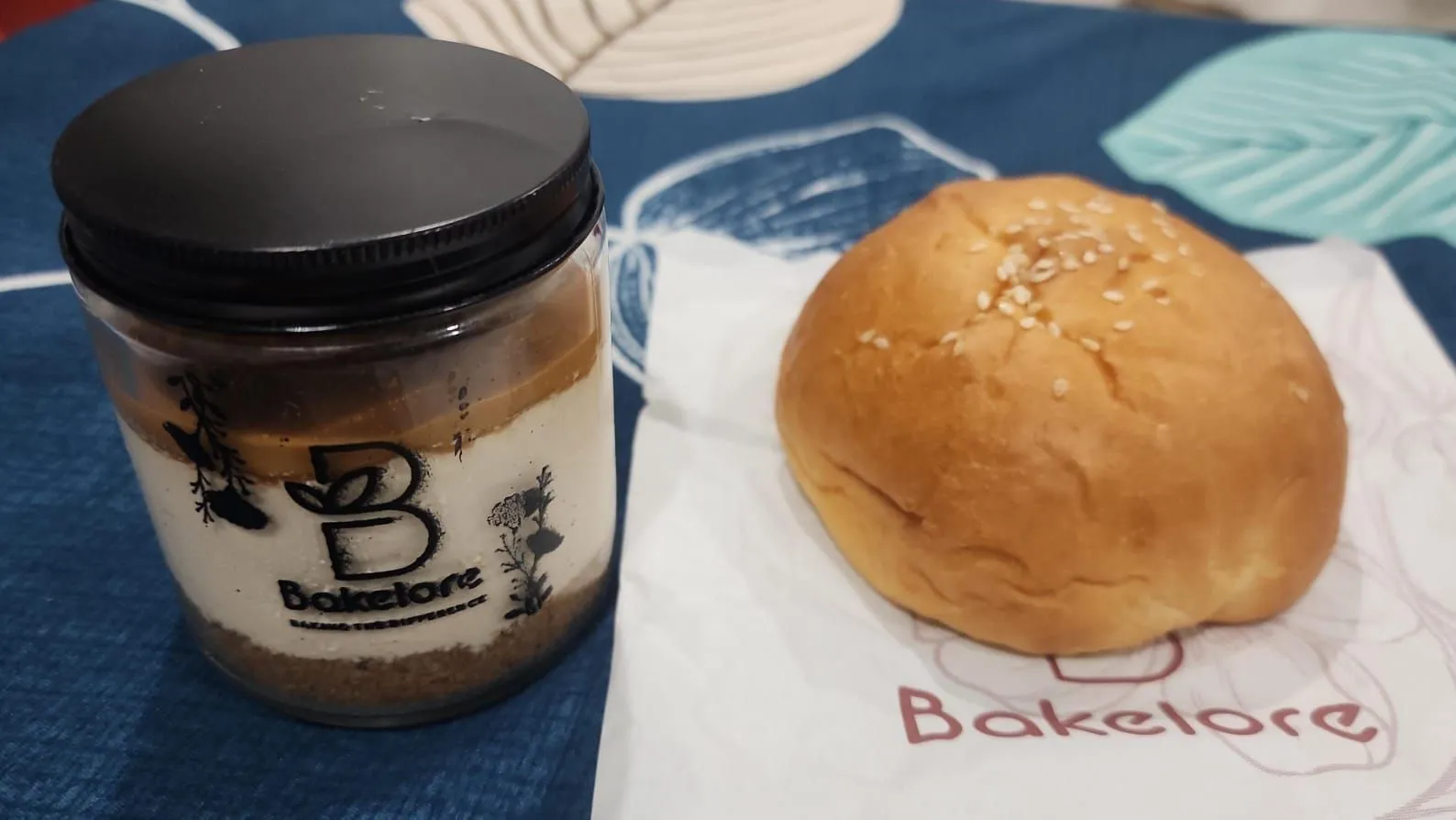
For big brands it comes down to three things. First, they cut food waste and earn revenue from food that would otherwise be thrown away. Second, they reach new customers at zero upfront cost: no listing fee, no ad spend, they only pay when a bag sells. Third, it supports their sustainability and ESG goals with real numbers, since we can share how much food each outlet has saved from waste and the CO2 emissions avoided.
On full-price sales, we actually see the opposite effect. Bags go live only in the last couple of hours, after the regular rush, and since nobody knows what’s inside, no specific product is ever “on discount”. We always present bags as rescued food, never as a sale or clearance. Many customers discover a brand for the first time through a bag and then come back to buy at full price.
The messages that changed everything
You have a 45% repeat purchase rate with zero marketing spend. Who is the typical Replate customer, and what brings them back?
Our typical customer is a student or young professional who loves good food and good value, likes discovering new places, and genuinely cares about food waste. A lot of them try a premium bakery or restaurant for the first time through Replate.
A 45% repeat rate with zero marketing spend tells us people really enjoy it. They come back for three reasons: the value, the excitement of the surprise, and the good feeling of knowing they’ve saved food from going to waste. Most of our growth has come from word of mouth, people sharing their bags online, and local pages writing about us on their own.
Is there a story from a customer or an outlet that has stayed with you since you launched in June?
A few weeks after launch, I started getting messages from customers, many of them students. They told me they had never been able to afford food from premium bakeries and restaurants like the ones on Replate, and now, for a small amount, they could enjoy food they had only ever walked past. Some thanked us for the work we were doing. Others said Replate had made them think about food waste for the first time, and that saving a bag every week had become their small way of living more sustainably.
I remember reading those messages late one night and realising this was bigger than a business. We were making good food more accessible and changing how people think about waste, both at once. That was the day I knew I was doing something meaningful, and it has pushed me to work harder ever since.
After the staff meal and the donation
Many Indian kitchens already share leftover food with staff or charities. How does Replate work alongside that?
We see Replate as one more option, not a replacement. Staff meals and donations to people in need are wonderful and should always come first. The reality is that what’s still on the shelf at closing is often good food in small quantities, and charities usually can’t collect a few pastries or a tray of food late at night from dozens of outlets across a city. That’s the gap Replate fills. Outlets can still feed their staff and donate, and whatever remains gets a second chance with a customer nearby instead of going to waste.
Has seeing what goes unsold changed how any of your partner outlets plan or cook?
Yes, and in a way we didn’t expect. Before Replate, many outlets made less food than they wanted to, because they were worried about what would be left at closing and the losses that come with it. That often meant empty shelves by evening and customers missing out.
Now they can bake and cook with more confidence and keep their counters full until closing, because they know whatever is left at the end of the day won’t go to waste. It goes into a Replate bag, gets eaten by someone nearby, and the outlet recovers its cost on those products. So their regular customers get the full range all day, and the surplus still finds a home.
Next: hotels, Sunday brunches and Mumbai
Hotel buffets and Sunday brunches are a big part of what our readers enjoy, and they also produce a lot of surplus. Are hotels part of your plans?
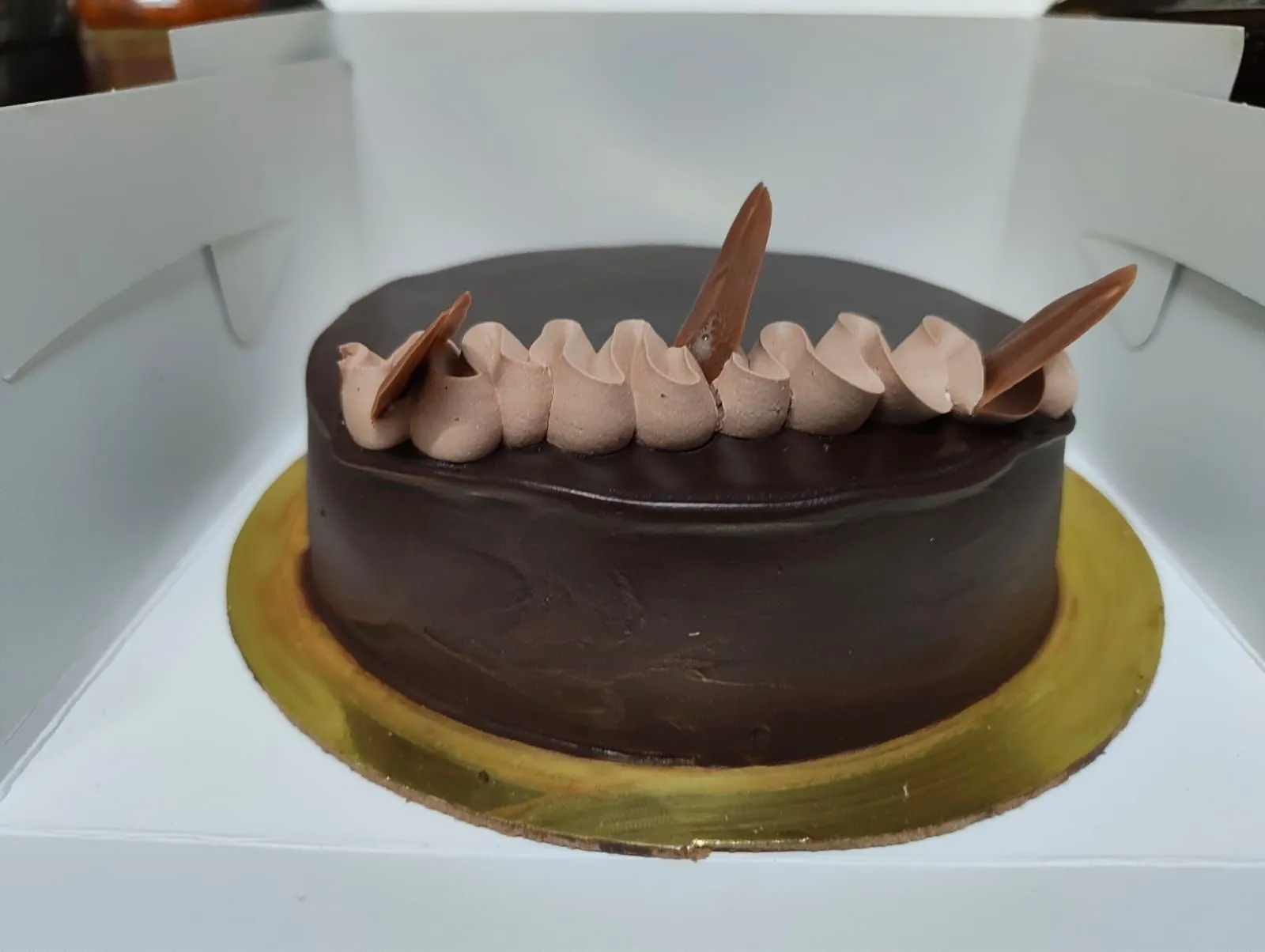
Yes, hotels are our next big step, and they’re already approaching us. Buffets, Sunday brunches and banquets produce a lot of good food that never gets eaten, and the quality is often excellent. We already work with buffet restaurants: Barbeque Nation is on Replate today, so we’ve seen how well the model works for buffet-style food. Hotels are a natural next move, and we’re excited to help them cut food waste while reaching new guests.
What can diners and restaurant teams do differently to waste less food?
For diners: order what you’ll actually eat, ask to take the rest home, and try buying surplus food through apps like Replate. It’s great value, and every bag is food saved from waste.
For restaurants and bakeries: track what sells on which day and at what time, and plan production around it. Then, whatever is still good to sell at closing can get a second chance through platforms like ours instead of being thrown away. Small changes on both sides add up to a lot less food waste every day.
What is next for Replate?
Replate isn’t just about bakeries any more. Bakeries were where we started, but today you’ll find restaurants of every kind on the app: pizza, North Indian, cafés, buffets and more. Next, we want to be wherever there’s food waste: hotels, FMCG and packaged food, and more cities across India, starting with Mumbai. We’re also launching a campus ambassador programme to bring Replate to college students.
Our bigger goal is to make fighting food waste an everyday habit in India, so that buying surplus food feels as normal as it does in France.
About the founders
Karan Singh Gujral, Co-founder and CEO, studied at ESSEC Business School in Singapore and France and built his career across finance and operations, with roles at Estée Lauder, Faurecia and Baker Tilly. He later joined Raison, an AI startup at Station F in Paris, as Founder’s Associate, before returning to India to build Replate.
Aditya Arya, Co-founder and CTO, studied engineering and completed his Master in Management at ESSEC Business School in Singapore and France. He worked at Airbus and Allianz Trade before joining a biotech startup as Founder’s Associate. At Replate, he built the customer and partner apps and leads everything on the tech side.
Try Replate
What: Surprise Bags of unsold food from bakeries, cafés and restaurants, at a reduced price
Where: Hyderabad and Bengaluru
How: Book a bag on the Replate app and collect it from the outlet in the last hour before closing
Website: tryreplate.com
Frequently asked questions
What is Replate?
Replate is an anti-food-waste company in Hyderabad and Bengaluru. Bakeries, cafés and restaurants list their unsold food as Surprise Bags at a reduced price, and people nearby book and collect them before closing.
What is in a Replate Surprise Bag?
Whatever the outlet still has that is fresh and good to sell at the end of the day. Because no one knows in advance what will be left, the contents are a surprise. Bags are marked veg or non-veg.
Is Replate food safe to eat?
According to Replate, everything in a bag is fresh, within its shelf life and of the same quality the outlet sells at full price. Partner outlets are FSSAI licensed, and Replate holds its own FSSAI licence.
Which cities is Replate available in?
Replate is live in Hyderabad and Bengaluru, with Mumbai next on its plans.
Also read: more interviews in our In Conversation series.
About The Daily Brunch
The Daily Brunch is one of India’s top luxury travel and hospitality publications. Since 2016, we have reported on luxury hotels, fine dining, chefs, wellness and travel, from cities and resorts across India to destinations around the world. Learn more about us.
Images courtesy of Replate.
Anju Anna Alex co-founded The Daily Brunch in 2016 with a simple belief: that a good meal tells you as much about a place as any guidebook. Her own idea of brunch began with Sunday appam and stew, shared with her family after church, and today she writes about hotels, chefs and travel from Canada, staying closely connected to India’s hospitality scene. A recognised voice in hospitality, she is a Canadian travel and hospitality writer and a leading content marketer and strategist. She holds an MSc from the London School of Economics and an MA from EFL University, and is a Fellow of the Royal Society of Arts.