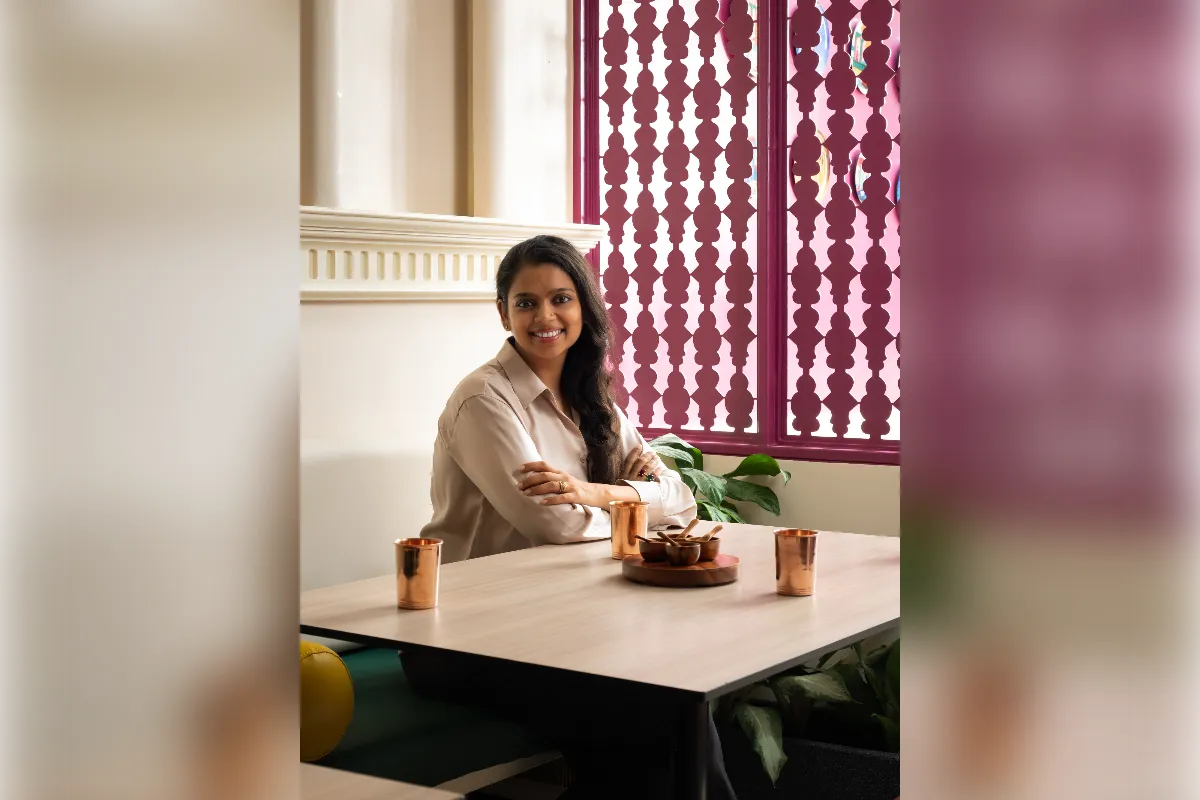
Some restaurants are built around a cuisine. Bountyful, in Indiranagar, Bengaluru, is built around memories. Its founder, Pallavii Gupta, grew up in a culturally diverse family, eating Maharashtrian, Gujarati, Kashmiri and UP food at home, and spent childhood summers on the road to Ranthambore. Today, her all-vegetarian menu travels across India’s regions, with an all zero-proof drinks list to match. In this conversation, Pallavii Gupta talks about her mother’s cooking, a Rajasthani dish that stayed with her long after a family holiday, and why she calls Bountyful “Many Indias, One Table”.
Pallavii Gupta on “Many Indias, One Table”
What was the idea behind Bountyful, and why build a restaurant around everyday regional cooking?
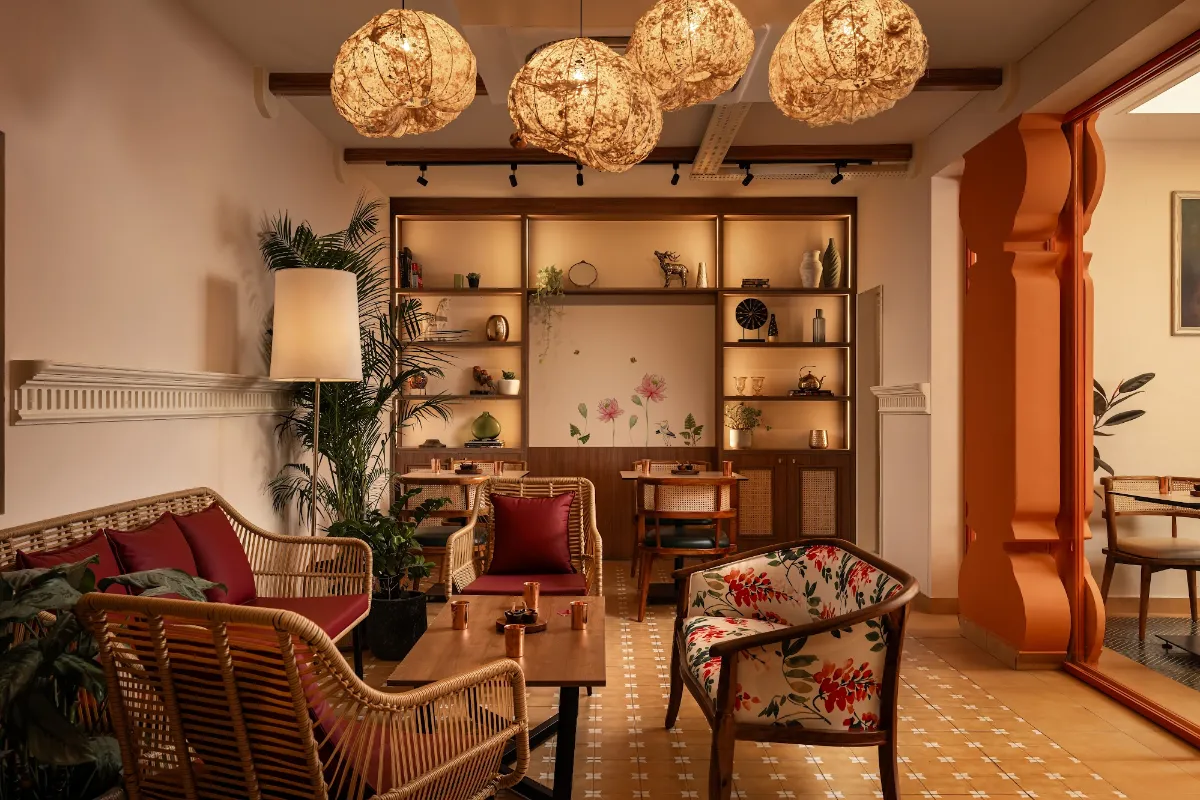
At Bountyful we work with micro cuisines from across India: nostalgic flavours you may have grown up with, and flavours you’ll discover for the first time. India is so diverse that ingredients, cooking methods and spices change with every pin code. That’s what we’re trying to do differently. We aren’t positioned as a North Indian space. We’re a regional Indian discovery space.
Some of my earliest food memories begin in Dehradun, where my maternal home sits at the foothills of the Himalayas. I was born there, and the hills still feel like home. Bountyful is built on memories of the comforting hills, towns and regions across India. Those memories were never of festive food. They were of everyday food, the recipes cooked in homes that rarely make it onto a restaurant menu.
The name was a deliberate choice. It means plentiful, a table that keeps filling up and always has room for one more dish. I call it “Bountyful: Many Indias, One Table”.
“India is so diverse that ingredients, cooking methods and spices change with every pin code.”Pallavii Gupta, founder, Bountyful
How Pallavii Gupta learned from her mother
The menu travels across 18 to 20 regional cuisines. How did you research the dishes, and who taught you the ones you didn’t grow up with?
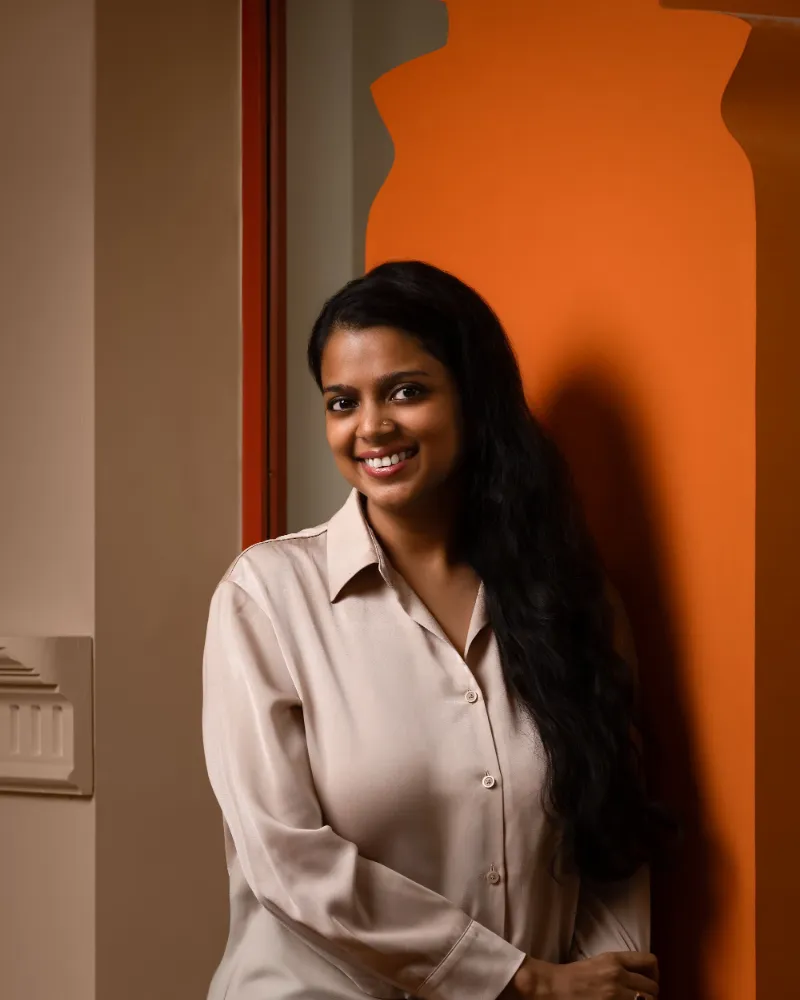
Most of the credit goes to my mom. We come from a culturally diverse family, so I grew up eating Maharashtrian, Gujarati, Kashmiri, UP and Indore food at home. The diversity of my palate comes from her cooking.
When we travelled, she would meet the chefs. If she liked something on a buffet or a hotel or restaurant menu, she’d ask the chef how it was made. She also took part in cooking classes at resorts, and I went with her. At home she had cookbooks and Tarla Dalal magazines, and she watched cooking shows like Sanjeev Kapoor’s, which was a very common thing in the 90s.
Other dishes come from my own stories. Dehradun gave me the thukpa and the Pahadi dishes. My masi is married into a Kashmiri Pandit family there, so Khatte Nadru is hers. Rajasthan comes from our summer holidays at Ranthambore. Bengali vegetarian food was a discovery for me, a cuisine where simple ingredients come together with remarkable depth.
The story of the Malai Gatta
Choose one dish on the menu and tell us its story.
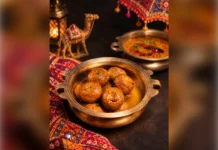
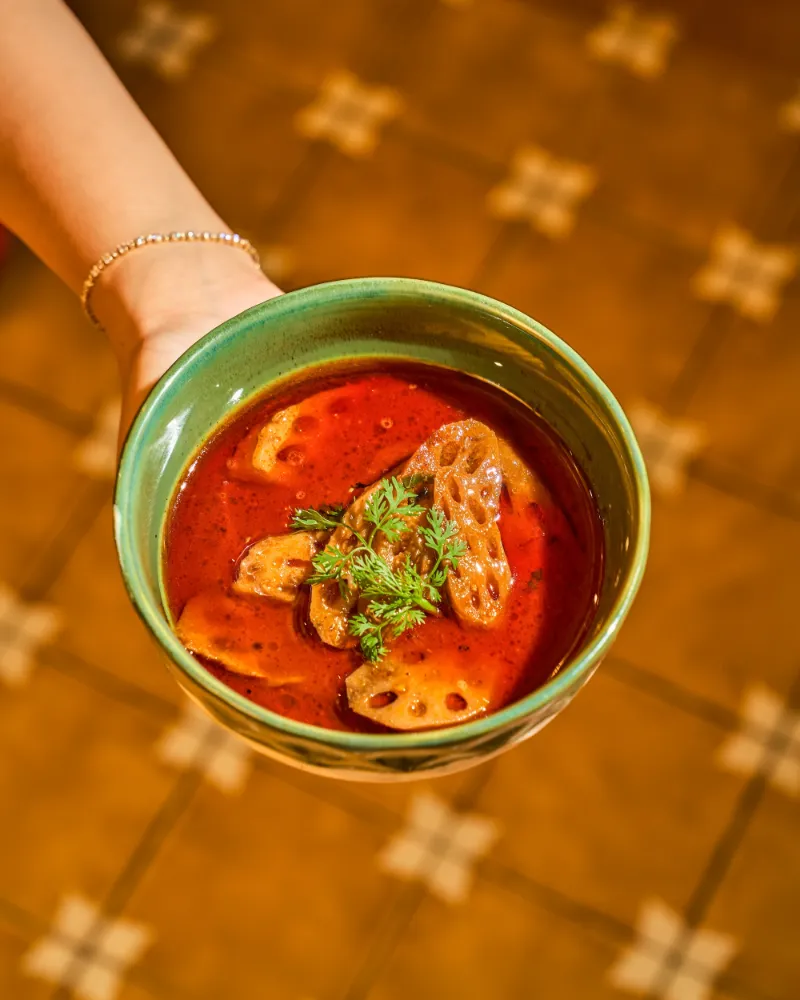
Malai Gatta. Every year, we would return to stay at Hameer, a visit to Ranthambore woven into our summer holiday plans as a family. I remember the long roads, the dry golden landscape, the roadside dhabas and the feeling of moving deeper into the wilderness or arid lands. There was something magical about being surrounded by the jungle: the anticipation of a tiger sighting, Jogi Mahal, the silence between the calls of the birds, and the sense that the land held stories much older than our own.
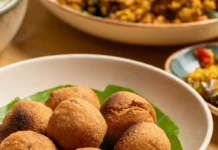
It was during those visits as a child that I discovered my love for gatta. Gatta is one of Rajasthan’s most distinctive creations: spiced gram flour shaped into tender dumplings and cooked into a curry. Born from a region where fresh vegetables were not always abundant, it is a beautiful example of how Rajasthani cooking transforms humble pantry ingredients into something deeply satisfying.
The familiar version, with its tangy curd-based gravy, is hearty, bold and unmistakably comforting. Then there was a delicate malai gravy. It was unlike the curd gravies I had tried, the dish softer, richer and unexpectedly elegant. The contrast stayed with me long after the holiday was over.
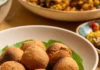
At Bountyful, I am proud to finally bring that memory to the menu. Our Malai Gatta is inspired by the flavours I discovered during those family holidays through Rajasthan. It carries the soul of the traditional dish, while allowing the malai gravy to take centre stage: silky, comforting and gently indulgent.
A drinks list without alcohol
Your drinks list is entirely zero-proof. Why that choice, and how have guests responded?
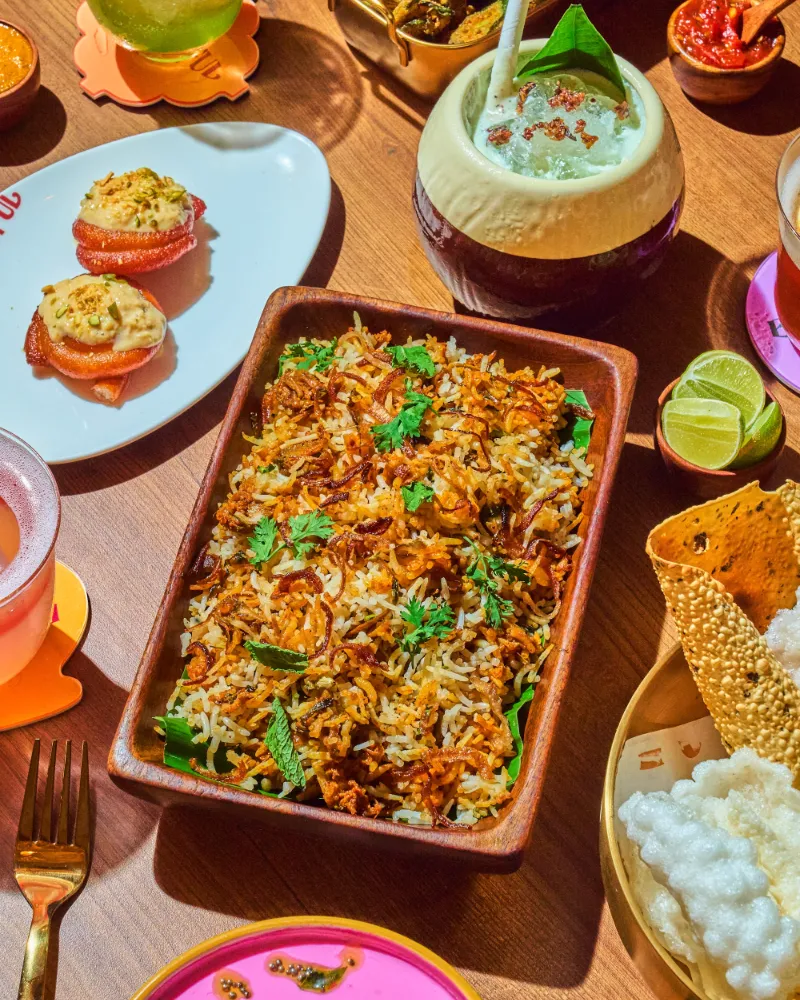
India already has such a rich tradition of drinks without alcohol: sharbat, kanji, jaljeera, sattu, lassi. They were made to cool you, to aid digestion and to go with food. I didn’t want to copy a cocktail list without the alcohol. I wanted to celebrate what we already have: kokum from the Konkan, jeera and coriander-chilli, shilajit and ashwagandha in the Himalayan Gold, saffron in the kahwa.
Some drinks are playful nods to nostalgia, like the Bombay Jeera Soda, which I think of as our zero-proof rum, and the Phagun Fizz, a Holi-inspired gin thandai. Zero-proof cocktails are still a new idea for many people, so there is a sense of curiosity at first. Once they taste the drinks, most find the flavours remarkable and refreshing, and many are pleasantly surprised by ingredients they haven’t tried before. A number of guests have told us the menu holds a special place for them, and that they would love to return to explore the other zero-proof cocktails on the list.
What Pallavii Gupta recommends on your first visit
A reader is coming to Bountyful for the first time. What should they order, from soup to dessert?
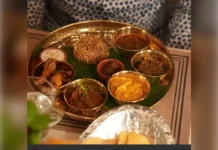
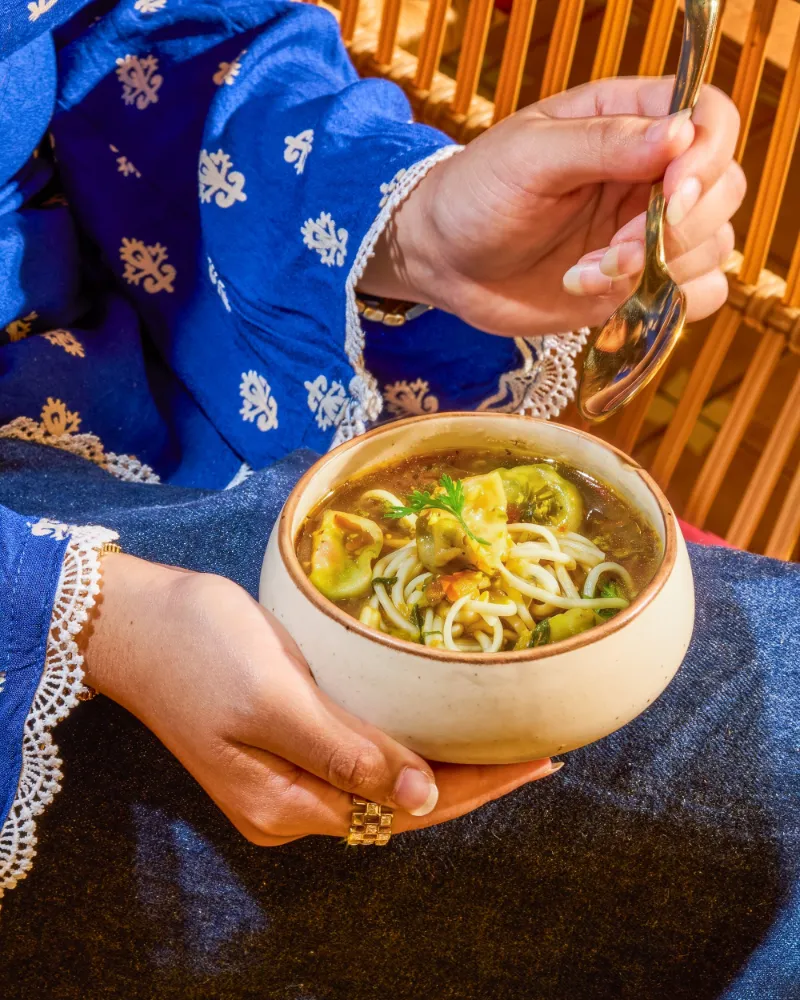
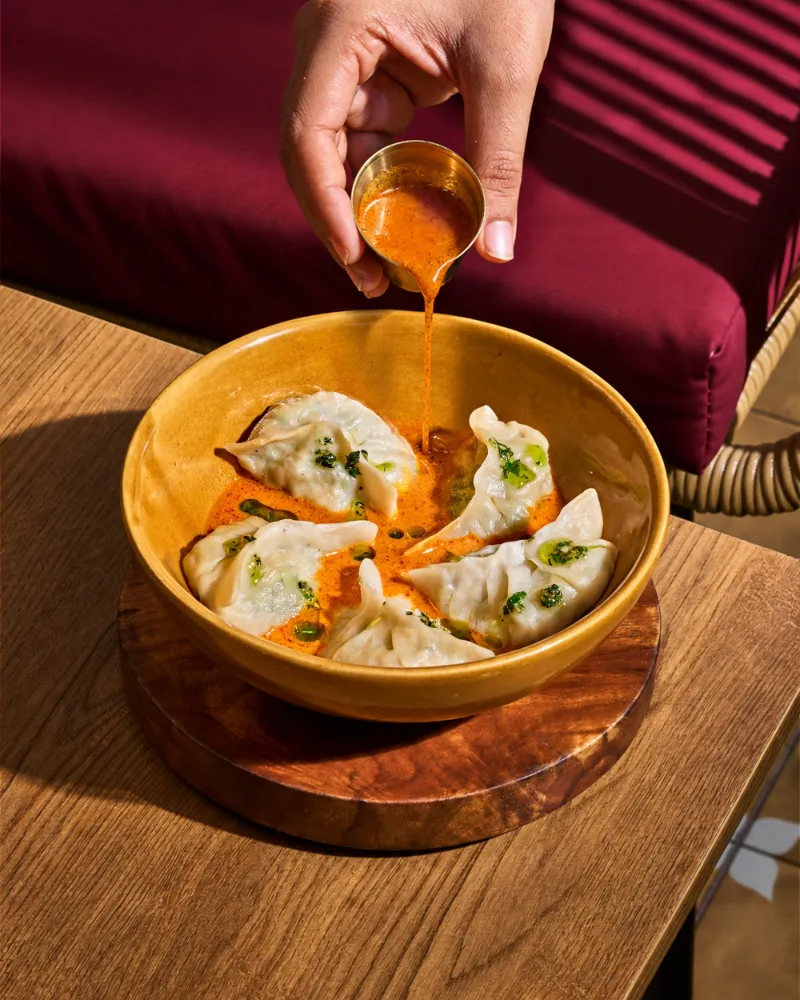
Start with the Himalayan Thukpa. It’s my Dehradun in a bowl. Share a Galouti Kabab or the Darjeeling Jhol Momo with it. For mains, order a dal, the Aam Diye Masoor Dal with steamed rice, and the Khatte Nadru, which is my masi’s dish. Add the Marwari Malai Gatta, a Pahadi Kafuli and a Lal Mirch Laccha Paratha. To drink, I’d have the Kokum Konkan or the Banarasi Meetha Paan.
For dessert, my pick is the Gud Til Chocolate Mousse. The deep sweetness of gud, the gentle nuttiness of til and the richness of chocolate come together in layers of velvety mousse. It feels both nostalgic and entirely new.
The little sauces we forget
Which regional dish do you wish more Indian homes cooked, and what is one simple tip?
Regional chutneys and sauces. I feel there’s a large part of Indian cuisine we miss out on, because little sauces can truly elevate the food we eat. Every household makes them differently. Even a simple coriander-mint chutney changes from home to home. A southern version might have a little coconut or peanut. In some northern homes people add capsicum or green mango. So even a simple green chutney is made in many different ways across the country. That’s why our menu has a whole chutney section, with Imli Chilli Jam, Pyaaz Tamatar Chutney, Tulsi Lahsun Chutney and a Bengali Panch Phoron Tomato Chutney.
Plan your visit
What: Bountyful, an all-vegetarian regional Indian restaurant with a zero-proof drinks list
Founder: Pallavii Gupta
Where: Indiranagar, Bengaluru
Hours: 12 pm to 4 pm and 7 pm to 11 pm, closed on Mondays
Price for two: About ₹2,000 plus taxes
Reservations: 90356 55007
Also read: Bountyful Opens in Indiranagar, Bengaluru With Regional Vegetarian Food From Across India, and more chef and founder interviews in our In Conversation series.
About The Daily Brunch
The Daily Brunch is one of India’s top luxury travel and hospitality publications. Since 2016, we have reported on luxury hotels, fine dining, chefs, wellness and travel, from cities and resorts across India to destinations around the world. Learn more about us.
Images courtesy of Bountyful.
Anju Anna Alex co-founded The Daily Brunch in 2016 with a simple belief: that a good meal tells you as much about a place as any guidebook. Her own idea of brunch began with Sunday appam and stew, shared with her family after church, and today she writes about hotels, chefs and travel from Canada, staying closely connected to India’s hospitality scene. A recognised voice in hospitality, she is a Canadian travel and hospitality writer and a leading content marketer and strategist. She holds an MSc from the London School of Economics and an MA from EFL University, and is a Fellow of the Royal Society of Arts.